

Doctor Exposes Widespread Blood Pressure Monitoring Errors That Could Endanger Your Health
Blood pressure remains one of the most overlooked aspects of personal health management, with most individuals only paying attention when complications arise. The absence of obvious warning signs creates a dangerous scenario where hypertension can develop silently while people feel perfectly normal. Despite the apparent simplicity of checking blood pressure, numerous misconceptions and improper practices lead to inaccurate readings and delayed interventions.
In an exclusive discussion with TOI Health, Prof. Dr. S M Fayaz, Lead & Senior Consultant in Internal Medicine, clarifies the essential guidelines for proper blood pressure management. He addresses common misunderstandings about monitoring frequency, device reliability, and interpretation of results that could significantly impact long-term health outcomes.
Optimal Monitoring Frequency for Different Age Groups and Risk Profiles
Prof. Dr. S M Fayaz emphasizes: "Healthy adults aged 20-30 years without identifiable risk factors should undergo blood pressure screening at minimum intervals of six to twelve months as part of routine health evaluations. However, individuals with established risk factors including family history of hypertension, obesity, diabetes, or sedentary lifestyles require more frequent monitoring—ideally every three to six months."

Regular blood pressure assessment serves as a critical preventive measure for early hypertension detection and complication avoidance. The medical expert stresses that consistent monitoring enables timely intervention before irreversible damage occurs to vital organs.
Why Hypertension Often Goes Undetected Until Advanced Stages
Dr. Fayaz explains: "Hypertension frequently earns the ominous title 'silent killer' because it typically manifests without noticeable symptoms until reaching dangerously elevated levels. Most individuals with high blood pressure experience no discomfort, headaches, dizziness, or chest pain until the condition has progressed significantly or triggered serious complications."
The absence of early warning signals means hypertension commonly goes undiagnosed until discovered during routine screenings or investigations for unrelated health concerns. This delayed detection pattern underscores the vital importance of proactive monitoring regardless of perceived wellness.
Home Blood Pressure Monitor Reliability and Common Usage Errors
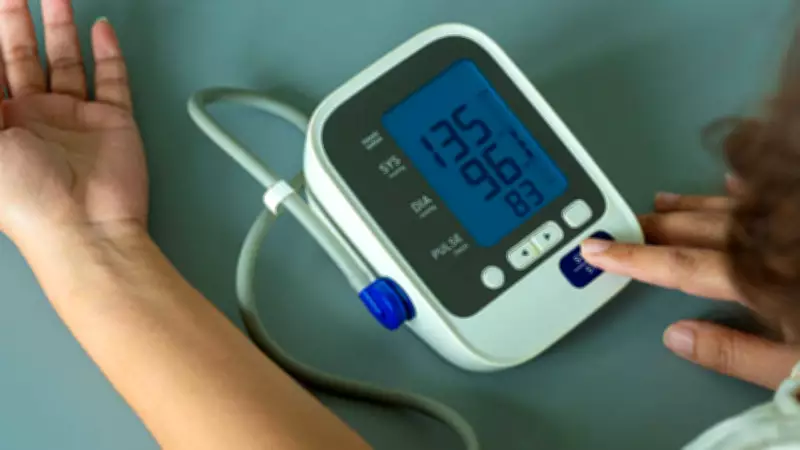
Regarding home monitoring devices, Dr. Fayaz clarifies: "Clinically validated home blood pressure monitors provide reliable readings when used correctly. However, several common mistakes frequently compromise accuracy, including improper cuff sizing, inadequate rest periods after exercise or caffeine consumption, poor posture during measurement, lack of back support, crossed legs, insufficient pre-measurement rest, and talking during the procedure."
For optimal results, measurements should occur in calm environments at consistent daily times with proper arm positioning at heart level. Following standardized protocols minimizes errors and ensures data reliability for medical decision-making.
Effective Methods for Tracking Blood Pressure Trends Over Time
Dr. Fayaz recommends: "Consistency forms the foundation of meaningful blood pressure tracking. Take readings at identical times daily—if your healthcare provider suggests twice-daily monitoring, maintain morning and evening schedules. During each session, complete two measurements and calculate the average value. Maintain detailed logs recording date, time, and relevant contextual factors like stress levels, medication timing, and physical activity."
Trend analysis across extended periods provides substantially more valuable insights than isolated readings. Digital or paper-based tracking enables healthcare professionals to identify patterns and make informed treatment recommendations.

Critical Thresholds for Seeking Professional Medical Guidance
Dr. Fayaz advises: "Immediate medical consultation becomes necessary when blood pressure readings consistently exceed 140 mmHg systolic and 90 mmHg diastolic. Additionally, any accompanying symptoms like headaches, chest discomfort, breathing difficulties, or visual disturbances warrant prompt professional evaluation."
Timely physician intervention allows for implementation of appropriate treatment strategies—whether lifestyle modifications or medication regimens—to prevent severe complications including cardiovascular disease, stroke, and renal failure. Early management significantly improves long-term prognosis and quality of life for hypertension patients.





