

Scientists Discover Hidden Synapse Hotspots in Teen Brain
A recent study has revealed a fascinating discovery in neuroscience. Researchers have identified hidden synapse hotspots within the teenage brain. This finding sheds new light on how the adolescent mind develops and functions.
What Are Synapse Hotspots?
Synapse hotspots are specific areas in the brain where synaptic connections are particularly dense. Synapses are the junctions between neurons that allow communication. In teenagers, these hotspots appear to be more active and concentrated than previously thought.
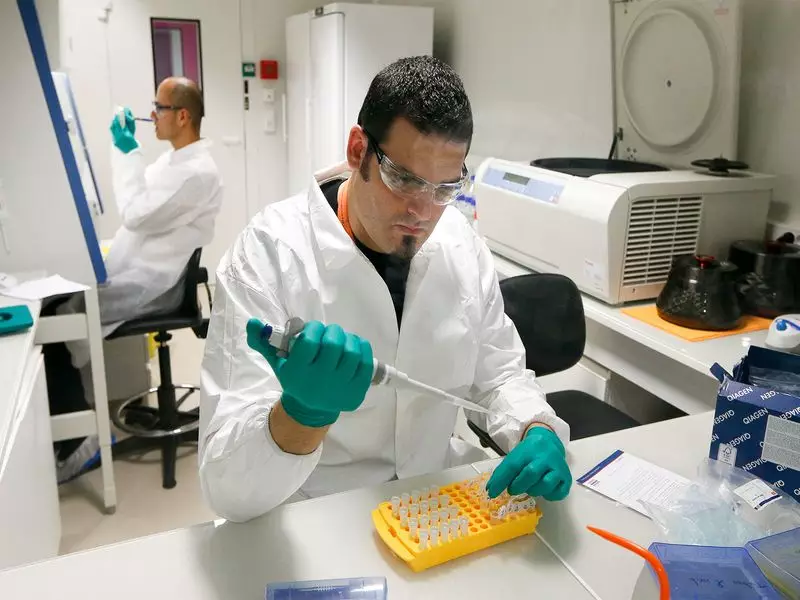
The study involved detailed brain imaging and analysis. Scientists examined brain tissue from adolescent subjects. They used advanced techniques to map synaptic activity. This allowed them to pinpoint these hidden regions with precision.

Implications for Adolescent Development
This discovery has significant implications for understanding teenage behavior and development. The teenage years are a critical period for brain maturation. Synapse formation and pruning play key roles in this process.
The presence of these hotspots suggests that the teen brain is more dynamic than we realized. It may explain why adolescents experience rapid cognitive and emotional changes. These findings could help us better comprehend mood swings, learning patterns, and social interactions in teens.
Potential Links to Mental Health
Researchers are also exploring connections to mental health. Abnormalities in synapse development have been linked to various disorders. Conditions like depression, anxiety, and schizophrenia often emerge during adolescence.
Understanding these hotspots might lead to new treatments. By targeting these areas, scientists could develop therapies for mental health issues. This research opens doors for future studies on brain health in young people.
How the Study Was Conducted
The research team employed cutting-edge technology. They used high-resolution microscopy to examine brain samples. This provided a clear view of synaptic structures.
- Brain tissue was collected from adolescent donors.
- Imaging techniques highlighted synaptic density.
- Data analysis identified hotspot patterns.
This meticulous approach ensured accurate results. The study's methods set a new standard in neuroscience research.
Future Research Directions
Scientists plan to expand on this work. They aim to study how these hotspots change over time. Tracking development from childhood to adulthood could reveal more insights.
- Longitudinal studies will monitor brain changes.
- Researchers will investigate genetic and environmental factors.
- Potential interventions for mental health will be explored.
This ongoing research promises to deepen our understanding of the human brain. It highlights the importance of studying adolescent neuroscience.
In summary, the discovery of hidden synapse hotspots in the teen brain marks a major advance. It offers fresh perspectives on development and health. As science progresses, we may unlock new ways to support young minds.






