

India Proposes Stricter Medical Device Regulations for Enhanced Safety
In a significant move to bolster patient safety and regulatory oversight, the Indian government has proposed comprehensive amendments to the Medical Devices Rules of 2017. These changes aim to introduce stricter labeling requirements and a standardized fee system for testing across the rapidly expanding medical devices sector.
Enhanced Labeling for Better Traceability
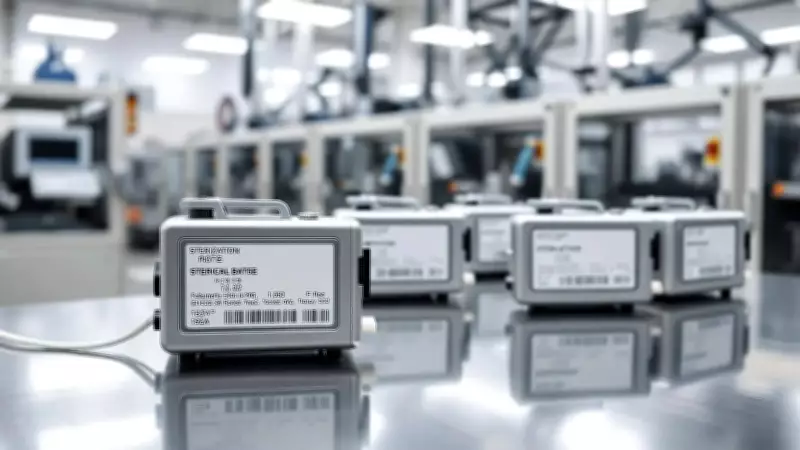
Under the draft amendments, manufacturers of medical devices—ranging from everyday items like syringes and surgical sutures to critical implants—may soon be mandated to provide detailed information on product labels. Specifically, the proposal requires clear disclosure of where devices are sterilized, including the license number of the sterilization facility.
This initiative is designed to improve traceability, enabling authorities to swiftly identify the source in cases of infection or device failure. By enhancing transparency, the government seeks to hold manufacturers more accountable and ensure quicker responses to safety concerns.

Standardized Testing Fees Proposed
In addition to labeling changes, the government has put forward a plan to fix testing charges for various categories of medical devices. According to the draft, implantation tests could be set at Rs 5,000, sterility tests at Rs 2,000, and tests for surgical sutures at Rs 3,000.
These fees are proposed to increase by 5% annually, while charges for tests not explicitly listed will be determined by authorized laboratories. Officials argue that this standardization will bring uniformity to testing processes and strengthen oversight in a sector where regulation has often been criticized as inconsistent.
Industry Concerns and Feedback
While the proposals have been welcomed as a step toward improving quality systems, industry stakeholders have raised concerns about their feasibility and potential cost implications. Rajiv Nath, forum coordinator of the Association of Indian Medical Device Industry, acknowledged the positive intent but called for fine-tuning to ensure smooth implementation.
Nath highlighted several key issues:
- The fixed testing fees may not accurately reflect actual laboratory costs, potentially making testing unsustainable if set without consulting NABL-accredited labs.
- This could lead to delays in testing, increased compliance costs, and pressure on supply and prices, particularly for high-volume items like syringes and consumables.
- The sterilization labeling requirement might delay exports by three to four weeks, impacting international trade.
Nath advocated for a risk-based approach, suggesting that stricter checks should be prioritized for high-risk devices to optimize resources and effectiveness. He emphasized the need for collaborative discussions between regulators and industry players to address these challenges.
Broader Implications for the Medical Devices Sector
The proposed amendments come at a time when India's medical devices market is experiencing rapid growth, driven by increasing healthcare demands and technological advancements. However, regulatory gaps have been a persistent concern, with uneven enforcement often cited as a barrier to ensuring consistent safety standards.
By introducing these changes, the government aims to create a more robust framework that not only enhances patient safety but also fosters trust in domestically manufactured devices. The move aligns with global trends toward stricter medical device regulations, as seen in markets like the United States and Europe.
As the draft amendments undergo further review and public consultation, stakeholders from across the healthcare ecosystem—including manufacturers, laboratories, and healthcare providers—will be closely monitoring developments. The outcome could significantly shape the future of medical device regulation in India, balancing safety imperatives with practical industry considerations.

