

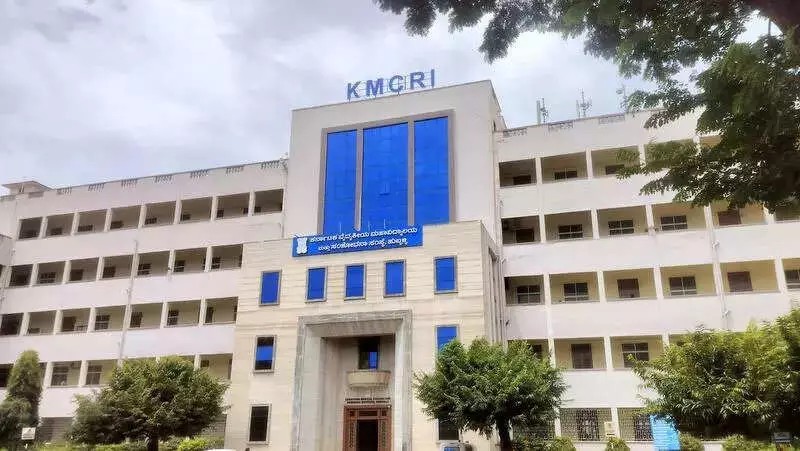
In a significant move towards modernizing healthcare administration, the Karnataka Medical College-Research Institute (KMC-RI) in Hubballi has embarked on a journey to become a paperless facility. The institute is phasing out the age-old practice of handwritten prescriptions and replacing them with a streamlined digital system.
The Pilot Project Shows Promising Results
The transition began with a pilot project in the hospital's psychiatry department. This initial phase involved implementing a comprehensive online system for patient assessment, treatment records, and, most notably, digital prescriptions. Dr. Ishwar Hasabi, the superintendent of KMC-RI, confirmed to Times of India that this marks the first time online prescriptions are being issued to outpatients at the institute. The pilot has reportedly yielded a positive outcome, paving the way for a broader rollout.
Following the success in psychiatry, the online system was extended to the Urology and Gastroenterology departments. These departments function under the Pradhan Mantri Swasthya Suraksha Yojana (PMSSY) super specialty hospitals. The next logical step is to integrate the online prescription module fully within these departments as well.

How the Digital Prescription System Works
The new process is designed for efficiency and clarity. Instead of writing on paper, doctors now enter prescriptions directly into tablets or computers. This digital record is then sent online to the hospital's medicine department. When a patient arrives at the pharmacy, they simply need to enter their Unique Health Identification (UHID) number into a computer system.
Instantly, the prescription written by their doctor becomes available, and the medication dispensing process begins. Dr. Ishwar Hasabi noted that this entire process takes just 2 to 5 minutes, significantly reducing wait times. The complete digital record of the patient's visit, including the prescription, is stored securely, providing a clear history for future consultations.
Benefits and Future Implications
Hospital authorities highlight multiple advantages of this digital shift. Firstly, it brings unparalleled clarity to prescriptions, eliminating issues arising from illegible handwriting. Patients can easily understand dosage instructions—knowing exactly how many pills to take daily and when their next hospital visit should be.
Secondly, it creates a unified patient record that can be accessed by authorized medical staff, preventing scenarios where a patient might consult another doctor, show a different prescription, and risk unnecessary or conflicting medication. Dr. Ishwar Hosamani, the director of KMC-RI, acknowledged that digitally recording each patient's examination details currently takes slightly more time than manual entry. However, he emphasized that the benefits of clarity and accessible online information for prescribing appropriate medicine far outweigh this initial time investment.
The initiative at KMC-RI Hubballi represents a concrete step towards a more integrated and error-free digital healthcare ecosystem in Karnataka's northern region, setting a precedent for other medical institutions to follow.






