

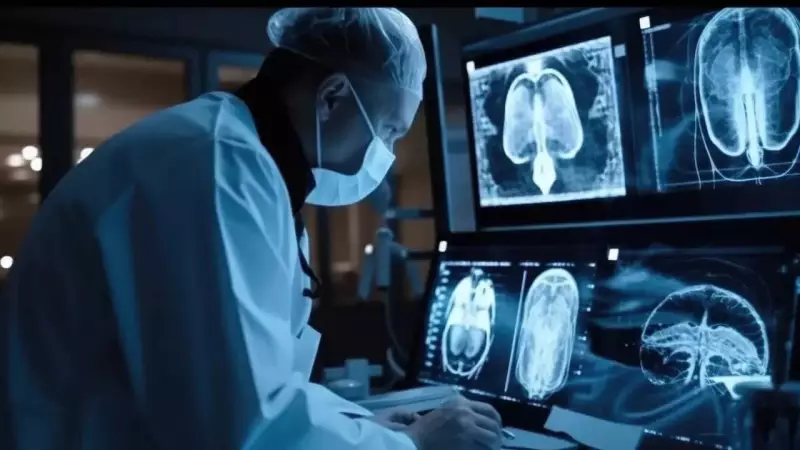
Forget ChatGPT; a new wave of artificial intelligence is making waves in oncology, offering hope for a more personalized and less grueling cancer treatment journey. This technology is specifically designed to help doctors determine which patients truly need chemotherapy—a harsh but life-saving treatment—and who can safely avoid it.
Beyond the Microscope: How AI is Redefining Cancer Diagnosis
For decades, the fate of a cancer patient often rested on a pathologist's trained eye peering through a microscope. While this method has been a cornerstone of medicine, it can sometimes miss subtle patterns in cancer tissue that reveal how aggressive a tumor is or whether it will respond to chemotherapy. This can lead to patients undergoing taxing treatments with little benefit.
Enter AI. New tools are now scanning high-resolution digital images of cancer tissue, learning from thousands of historical patient cases. They detect intricate details and patterns invisible to the human eye, providing a data-driven second opinion that is revolutionizing treatment decisions.

The Norwegian Innovation: DoMore Diagnostics' AI System
At the forefront of this change is a Norwegian biotech startup named DoMore Diagnostics. They have developed a sophisticated AI system focused on colorectal cancer, one of the world's most common and deadly cancers. The AI was trained on vast libraries of scanned tumor images, correlated with the long-term outcomes of the patients.
By analyzing this data, the system can predict the likelihood of a tumor recurring after surgery. This allows oncologists to make a more informed choice: which stage 2 and stage 3 patients require follow-up chemotherapy to prevent recurrence, and which ones will recover fully with surgery alone.
Current research indicates that a significant number of colorectal cancer patients receive chemo post-surgery with minimal to no survival benefit. This means enduring severe side effects—like nausea, extreme fatigue, and a compromised immune system—often unnecessarily. The AI tool aims to put a stop to this widespread overtreatment.
Why This AI Breakthrough Matters for Patients
The implications are profound. Chemotherapy saves lives, but its toll on the body and mind is immense. By sparing patients from unnecessary chemo, AI not only alleviates physical and emotional suffering but also reduces healthcare costs and allows people to return to their normal lives much faster.
This approach is already proving effective beyond colorectal cancer. For instance, researchers at Northwestern Medicine have created an AI tool for breast cancer that analyzes patterns in both cancerous and healthy cells. It has demonstrated an ability to predict patient outcomes more accurately than traditional pathology, successfully identifying individuals who would not benefit from standard chemotherapy.
The Technology Behind the Tool
The core of these systems is deep learning, a form of machine learning inspired by the human brain's neural networks. Instead of just examining cancer cells, the AI assesses complex textures, structures, and how tumor cells interact with their surrounding environment. It connects these subtle visual fingerprints to patient survival data, learning to distinguish between high-risk and low-risk profiles.
This enables doctors to stratify patients into clearer risk categories and tailor treatment plans with unprecedented precision, moving away from a one-size-fits-all model.
The Bigger Picture: AI and the Future of Precision Medicine
This development is a key part of the global shift toward precision medicine, where treatment is based on an individual's unique biology rather than a generic diagnosis. The potential of AI in oncology is expanding rapidly, with researchers working on systems that can:

- Predict patient response to specific drugs using genetic and cellular information.
- Incorporate data about the tumor's microenvironment to better forecast survival and treatment success.
- Help clinicians manage and interpret vast amounts of complex medical data, enhancing decision-making without replacing the essential human touch.
While these advances promise to reshape cancer care by reducing unnecessary therapy and targeting resources effectively, it is crucial to note that integration into mainstream practice must be done carefully. These tools require rigorous testing to ensure they are safe, equitable, and effective for all patient populations.
Nevertheless, the journey has begun. AI is no longer just a futuristic concept but a practical tool beginning to deliver on the promise of smarter, kinder, and more personalized cancer treatment.





