

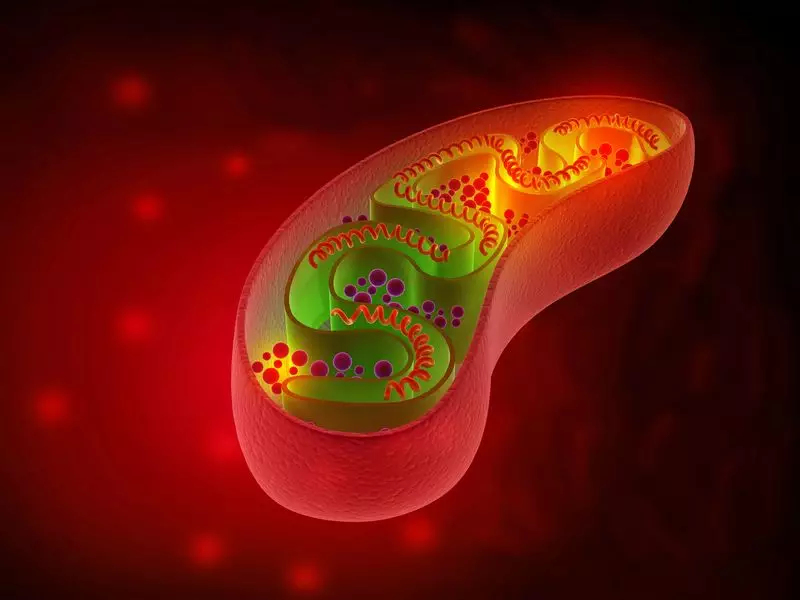
In a significant breakthrough for metabolic health research, scientists have developed a new class of experimental drugs designed to combat obesity by directly targeting the fundamental energy production processes within our cells. This innovative approach moves beyond traditional methods, focusing on the cellular powerhouses known as mitochondria.
Harnessing Cellular Power for Weight Management
The research, led by a team from the National Centre for Cell Science (NCCS) in Pune, centres on a mechanism called mitochondrial uncoupling. Mitochondria are responsible for generating energy (ATP) for the cell by burning nutrients like sugars and fats. The new drugs are designed to make this process slightly less efficient, causing the mitochondria to burn more fuel to produce the same amount of energy. This results in excess calories being dissipated as heat, a process known as thermogenesis.
Professor T. R. Santhosh Kumar, the senior author of the study published in the journal Biochemistry, explained the core principle. He stated that by carefully inducing mitochondrial uncoupling, the body can be prompted to expend more energy at rest, creating a sustainable caloric deficit crucial for weight loss.

From Toxic Molecule to Therapeutic Candidate
The journey of this discovery began with a known but highly toxic chemical called 2,4-dinitrophenol (DNP). Historically, DNP was used for weight loss but was banned due to severe side effects, including fatal hyperthermia. The NCCS team aimed to create safer alternatives by modifying the structure of DNP.
They developed and tested a series of new chemical compounds. Through rigorous laboratory experiments on cell cultures, they identified specific derivatives that successfully triggered mitochondrial uncoupling without causing excessive cellular damage or death. This selective action is key to separating the desired fat-burning effect from the dangerous toxicity of the original molecule.
The study provides detailed evidence of how these novel compounds work:
- They reduce the production of ATP (cellular energy currency).
- They increase the consumption of oxygen by cells, indicating a higher metabolic rate.
- They elevate cellular temperature, confirming the thermogenic effect.
Potential Impact and Future Roadmap
This research opens a promising new front in the global fight against obesity and related metabolic disorders like type 2 diabetes. Current obesity medications often work on appetite suppression or nutrient absorption. A drug based on increasing basal energy expenditure offers a fundamentally different and potentially complementary mechanism of action.
The findings were published in the January 2024 issue of Biochemistry, marking a crucial proof-of-concept stage. However, the path from the laboratory bench to the pharmacy shelf is long. The researchers emphasize that these are experimental compounds.
The next critical steps involve extensive preclinical testing in animal models to evaluate safety, efficacy, and optimal dosing. Only after successful animal studies can the process of clinical trials in humans begin. This process will take several years, but the discovery lays a vital foundation for a new generation of anti-obesity therapeutics.
For a country like India, which is witnessing a rapid rise in obesity and metabolic syndrome, such indigenous research is particularly valuable. It represents a step towards developing targeted solutions within the country's specific healthcare context. The work of Professor Santhosh Kumar and his team at NCCS highlights the growing capability of Indian institutions to contribute to cutting-edge global medical research.






