

Pune Hospital Performs Complex Eye Surgery to Save Vision of Three Construction Workers
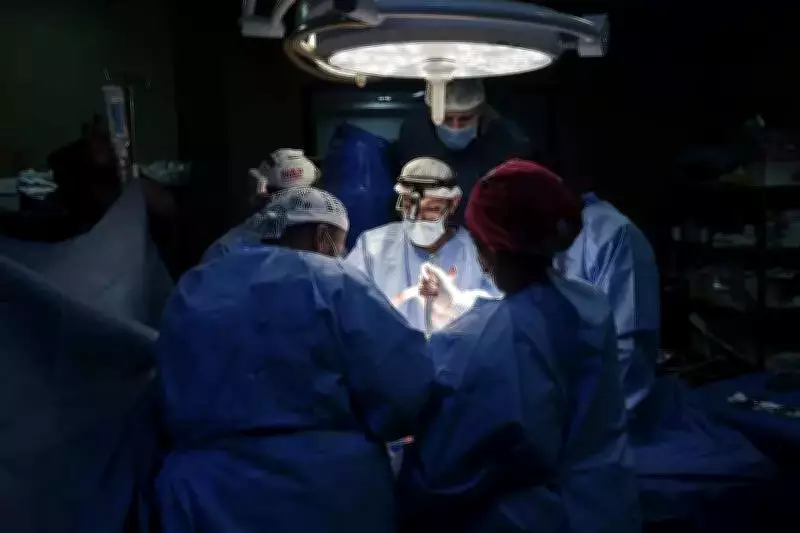
In a remarkable medical achievement, a team of ophthalmologists at Pune's HV Desai Eye Hospital has successfully performed intricate corneo-scleral tear suturing on three young construction workers who suffered devastating ocular injuries. The complex surgical procedure, conducted under an operating microscope, has fully restored the vision of two patients, while the third is expected to regain full sight following a future corneal transplant.
Severe Injuries from High-Velocity Metal Particles
All three workers, originally from North India and in their early twenties, arrived at the hospital within an hour of their accidents accompanied by their supervisor. According to Dr. Shilpa Joshi, head of the cornea department and eye bank director at HV Desai Eye Hospital, the injuries were particularly severe due to the high velocity of metal particles penetrating their eyes.
"Small metal burrs can hit the eye at extremely high speeds, causing catastrophic damage to the delicate corneal structure," Dr. Joshi explained. "In these unfortunate cases, all three young men sustained injuries to their right eyes while working on construction sites."

Emergency Assessment and Surgical Intervention
Upon arrival, the patients immediately underwent comprehensive diagnostic evaluations including slit-lamp examinations to assess tear depth, followed by X-rays and CT scans to determine whether metal fragments had penetrated the ocular globe. Recognizing the urgency of the situation, medical staff moved all three patients directly to the operating theatre.
The corneo-scleral tear suturing procedures, performed on December 20, required approximately three hours each. Dr. Snehal Ghadge, a cornea consultant at the hospital, described the surgery as "an exceptionally delicate repair of lacerations affecting both the cornea and the sclera—the white protective outer layer of the eye."
"This type of surgery demands millimeter-perfect tissue repositioning and the placement of ultra-fine sutures to restore ocular integrity, ensure a completely watertight closure, and minimize infection risks," Dr. Ghadge emphasized.
Patient Outcomes and Future Treatment Plans
Dr. Pooja Aandhare, another cornea consultant involved in the cases, provided details about the patients' recovery trajectories. "Two patients are progressing exceptionally well because their injuries were peripheral and outside the visual axis," she reported. "They will be closely monitored for potential infections, and their sutures will be carefully removed in six to eight weeks. Eventually, they may require corrective glasses or contact lenses for optimal vision."
The third patient, who sustained a central corneal injury from a grinding machine accident, presents a more complex case. "This patient may require a future keratoplasty—commonly known as a corneal transplant—to fully restore his visual capabilities," Dr. Aandhare noted.
Broader Implications for Worker Safety and Healthcare Access
Dr. Rahul Deshpande, chief medical director of HV Desai Eye Hospital, highlighted significant systemic issues revealed by these cases. "In rapidly developing cities like Pune, there exists a critical need for enhanced awareness regarding on-site eye safety protocols," he stated. "These patients represent a vulnerable demographic—typically young, migrant workers from economically disadvantaged backgrounds. Most lack adequate health insurance or the necessary documentation to access state health benefits such as the Mahatma Jyotirao Phule Jan Arogya Yojana."
Dr. Joshi reinforced the emergency nature of ocular trauma cases. "Eye injuries constitute absolute medical emergencies that demand immediate attention at tertiary care facilities," she stressed. "These complex cases frequently require a multidisciplinary approach involving multiple specialists to achieve the best possible outcomes for patients."
The successful interventions demonstrate both the technical expertise available at specialized eye care centers and the ongoing challenges facing construction industry workers in India's urban development zones.






