

Scientists Pinpoint Cells That Drive Tissue Regeneration
In a major medical breakthrough, scientists have successfully identified the specific cells responsible for tissue regeneration. This discovery opens up new avenues for treating severe injuries and diseases.
New Hope for Cancer and Burn Patients
The research offers significant hope for cancer survivors and burn victims. These patients often suffer from extensive tissue damage that is difficult to heal with current treatments.
By targeting the newly discovered regenerative cells, doctors could develop therapies to repair damaged tissues more effectively. This could dramatically improve recovery outcomes and quality of life for millions of people.

How the Discovery Was Made
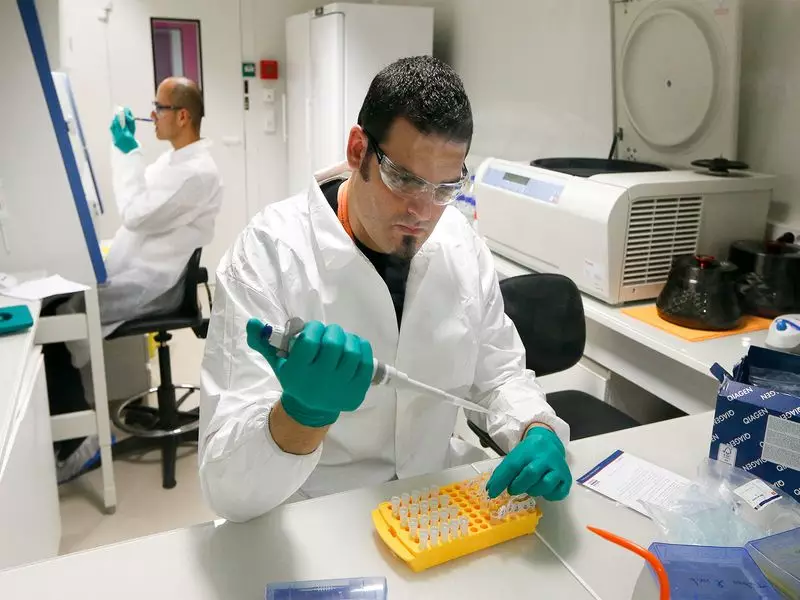
Researchers used advanced laboratory techniques to isolate and study these special cells. They observed how the cells actively promote healing and regeneration in damaged tissues.
The scientists found that these cells possess unique properties that enable them to rebuild complex tissue structures. This understanding could lead to groundbreaking medical applications in the near future.
Potential Applications in Modern Medicine
The implications of this discovery are far-reaching. Medical professionals could potentially use these cells to:
- Accelerate healing in severe burn cases
- Repair tissues damaged by cancer treatments
- Develop new regenerative therapies for various injuries
- Create advanced wound healing solutions
This research represents a significant step forward in regenerative medicine. It brings us closer to developing treatments that can restore damaged tissues more completely than ever before.
The Future of Regenerative Treatments
While more research is needed, this discovery lays a strong foundation for future medical innovations. Scientists are now working to understand how to best utilize these regenerative cells in clinical settings.
The ultimate goal is to translate this laboratory discovery into practical treatments that can help patients recover from serious tissue damage. This could transform how we approach healing and recovery in modern medicine.






