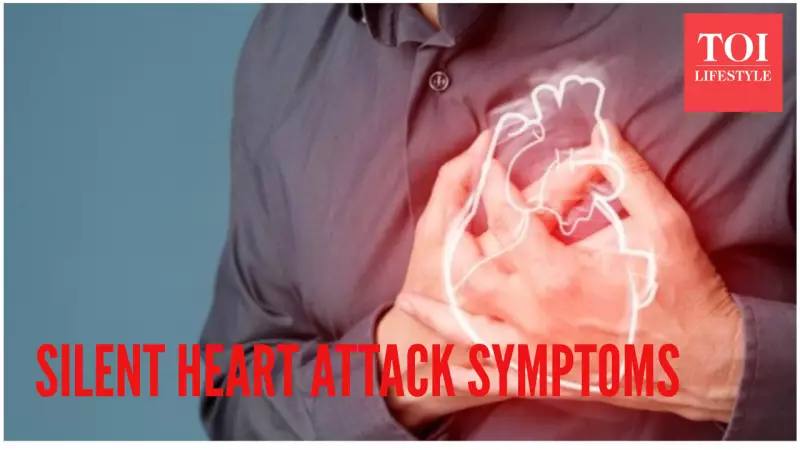
Heart attacks are not always dramatic events with crushing chest pain. A significant number occur silently, presenting with mild or misleading symptoms that are often brushed aside. According to cardiologist Dr. Bimal Chhajer, a specialist in non-invasive cardiology, these silent heart attacks account for 20% to 50% of all heart attack cases. The danger lies in their subtlety, as the lack of classic signs can delay critical medical intervention, leading to permanent heart muscle damage and increasing the risk of severe future cardiac conditions.
The Hidden Danger: What is a Silent Heart Attack?
A silent heart attack occurs when blood flow to a part of the heart is blocked without the person experiencing the typical, severe chest pain or obvious warning signs. The symptoms are often gentle, brief, and easily mistaken for common ailments like indigestion, fatigue, or a minor muscle strain. Because they produce no noticeable or alarming symptoms, individuals frequently fail to recognize that they are having a heart attack. However, the damage to the heart muscle is just as real and permanent as in a regular heart attack. Early detection is paramount, as it leads to better treatment outcomes and minimises the extent of heart tissue damage.
5 Common Symptoms of a Silent Heart Attack
Dr. Chhajer highlights five key symptoms that should raise a red flag. Being aware of these can be the difference between timely care and long-term complications.

1. Mild Chest Pressure or Discomfort
Instead of intense pain, a silent heart attack may cause a sensation of tightness, pressure, or mild discomfort in the chest. This feeling might come and go and is significantly less severe than the pain associated with a traditional heart attack. The discomfort may also start in the chest and radiate to the neck, jaw, or back, making it easy to dismiss as something less serious.
2. Unexplained Fatigue and Weakness
Persistent, unexplained fatigue that lasts for days and doesn't improve with rest is a major warning sign. This isn't ordinary tiredness. It happens because a weakened heart struggles to pump blood efficiently, forcing the body to expend more energy for routine tasks. If you feel unusually exhausted without a clear reason, it's wise to consult a doctor.
3. Shortness of Breath
Experiencing breathing difficulties during activities that were once easy, or even while at rest, can be a symptom. This occurs when the heart cannot pump enough oxygen-rich blood to meet the body's demands. Shortness of breath, especially when combined with any chest discomfort, is a significant indicator that should never be ignored.
4. Discomfort in Other Body Areas
Pain from a silent heart attack often manifests outside the chest. You might feel a mild ache, pressure, or a pulling sensation in the jaw, neck, upper back, shoulders, arms (especially the left arm), or the upper abdomen. These vague symptoms are commonly mistaken for muscle strain, dental issues, or indigestion, leading to dangerous delays in seeking help.
5. Nausea, Lightheadedness, or Cold Sweats
The body's stress response to a struggling heart can trigger symptoms like nausea, dizziness, and breaking out in a cold sweat. People often attribute these feelings to the flu, a stomach bug, or general anxiety. However, when these signs appear alongside other faint symptoms, they could point to a silent cardiac event.
Who is at Risk and Why Awareness is Crucial
Certain groups face a higher risk of experiencing a silent heart attack. These include individuals with diabetes, high blood pressure, high cholesterol, or a history of heart problems. The risk is also elevated among women and older adults. For diabetics, nerve damage can reduce pain sensitivity, making heart attack symptoms even less noticeable.
The absence of severe pain is precisely what makes silent heart attacks so perilous; it prevents patients from seeking immediate medical help. This untreated condition substantially raises the risk of subsequent heart attacks and heart failure. Dr. Chhajer emphasises that regular medical check-ups, heart screenings, and vigilant monitoring of subtle symptoms are essential tools for early detection.

Act Before It's Too Late: A Cardiologist's Final Word
Dr. Bimal Chhajer urges the public to be proactive. "A silent heart attack occurs with little or no noticeable symptoms. Signs are mild or absent, which can lead to long-term heart damage," he states. He stresses that both silent and impending heart attacks are serious and require immediate attention. "Early detection is crucial in preventing severe future cardiac events... being aware of pre-heart attack symptoms is vital to prevent life-threatening events."
His advice includes managing risk factors, adopting a heart-healthy lifestyle such as a zero-oil diet, and most importantly, listening to your body. Taking early action today is the most effective way to protect your heart for tomorrow.