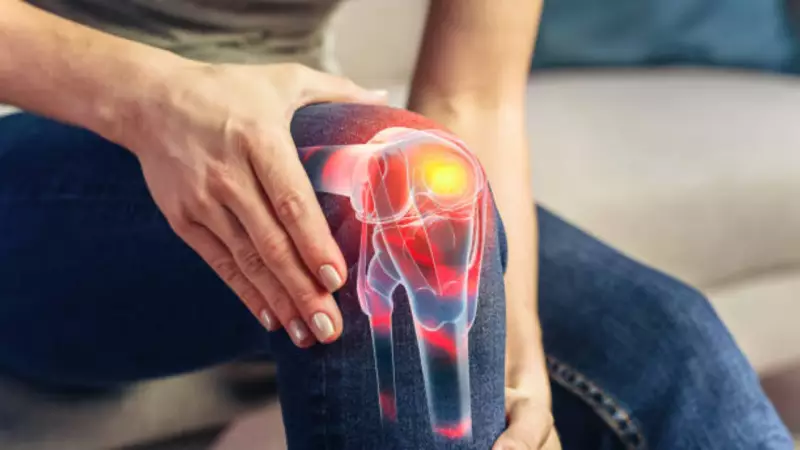
Joint pain is a widespread condition impacting countless individuals globally, with origins ranging from arthritis and injuries to lifestyle factors and ageing. Left unaddressed, it can severely restrict movement and diminish overall well-being. Unfortunately, persistent myths often prevent people from seeking proper care, leading to prolonged discomfort. Health professionals underscore that timely, evidence-based intervention is crucial for preserving joint function.
Myth 1: Surgery Is The Primary Solution For Joint Pain
Contrary to popular belief, surgery is not the first line of treatment. Dr. Abhay Chhallani, an Orthopaedic Surgeon practicing in Seawoods and Vashi, Navi Mumbai, clarified this in an interview with the Times of India. He stated that joint pain frequently improves with rest, physiotherapy, medication, or lifestyle adjustments. Surgery is considered only when other methods fail to provide relief, and the decision is always made by the treating doctor based on pain severity.
This view is supported by robust scientific evidence. A 2015 meta-analysis published in the Cochrane Database of Systematic Reviews concluded that structured exercise programs significantly reduce pain and enhance mobility without surgical intervention. The study authors emphasized that exercise therapy should be a core treatment for conditions like osteoarthritis.

Myth 2: Only The Elderly Suffer From Joint Pain
While ageing is a common factor, joint pain is not exclusive to older adults. Dr. Chhallani points out that younger individuals are increasingly experiencing joint issues due to poor posture, sports injuries, and sedentary habits. He stresses the importance of consulting an orthopaedic specialist promptly for an accurate diagnosis and management plan.
A 2020 study in BMC Musculoskeletal Disorders corroborates this, finding that musculoskeletal pain is prevalent among adolescents and young adults. The research linked this pain to physical inactivity, specific sports patterns, and psychosocial factors.
Myth 3: Exercise Worsens Joint Pain
This is a dangerous misconception. Dr. Chhallani advises that gentle mobility and strengthening exercises, when performed correctly under expert guidance, are beneficial for joint health. Problems arise only from overexertion or incorrect technique. Physiotherapy, as prescribed by a doctor, is key to reducing pain and maintaining mobility.
The 2019 Arthritis Foundation Guidelines from the American College of Rheumatology strongly advocate for physical activity. Published in Arthritis Care & Research, these guidelines establish exercise as a first-line strategy for managing osteoarthritis pain, focusing on tailored programs for strength, flexibility, and function.
Myth 4: Painkillers Are The Only Management Tool
Dr. Chhallani warns that while doctor-prescribed painkillers offer temporary relief, long-term management requires addressing root causes. A comprehensive plan involving therapy and exercise is essential. Self-medication is strongly discouraged. Patients should visit an orthopaedic specialist to design an appropriate, sustainable treatment plan.
Research aligns with this, indicating that non-pharmacologic approaches like exercise, weight management, and activity modification are fundamental for lasting improvement. The Arthritis Foundation Treatment Guidelines highlight these strategies as key components of long-term care.
Myth 5: Home Remedies Are Sufficient Treatment
Many turn to home remedies like ginger, turmeric, or unverified supplements promoted on social media. Dr. Chhallani cautions against this, noting that while they may offer minor comfort, they cannot cure underlying disease or replace professional medical treatment. It is vital to consult a doctor to identify the true cause of joint pain.
A 2018 research paper in Osteoarthritis and Cartilage confirmed that some nutraceuticals may provide modest symptom relief but do not alter disease progression. They should complement, not substitute, comprehensive clinical management.
The Bottom Line

Joint pain need not dictate your life, but managing it requires accurate knowledge and prompt action. Dispelling these myths, as emphasized by Dr. Abhay Chhallani, empowers individuals to adopt effective, science-backed strategies for long-term joint health. Consulting a qualified orthopaedic specialist and following an evidence-based plan is the best way to manage pain, preserve mobility, and enhance quality of life. It's time to clear the misconceptions and seek timely help for your joints.
Note: This information is for educational purposes only and is not a substitute for medical advice. Always consult a qualified healthcare professional before starting any new treatment or changing your health regimen.