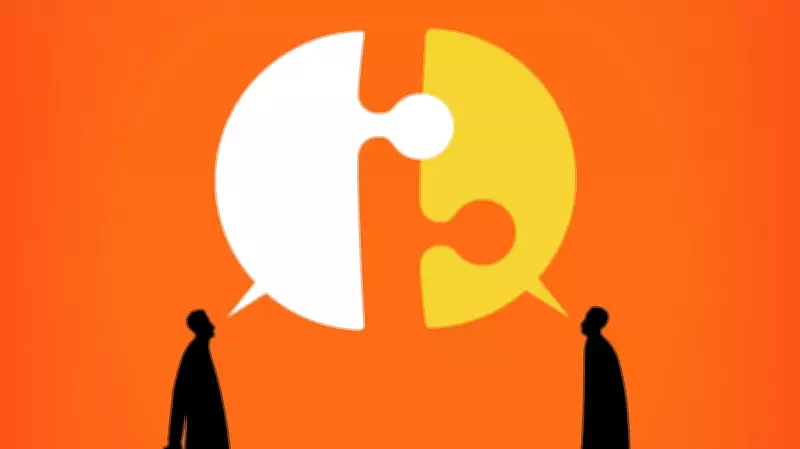
Earlier, political differences were often categorized as mere opinions. People could disagree on policies or leaders and still remain friends or family. Today, however, that dynamic has shifted dramatically. Political beliefs have become deeply personal, and disagreements are no longer just about ideas—they are perceived as attacks on one's identity and values.
The Shift from Opinion to Identity
In the past, a friend might vote for a different party, and the conversation would remain respectful. Now, such differences can lead to broken bonds, heated arguments, and even estrangement. The reason? Politics is no longer just about governance; it is intertwined with moral identity. When someone challenges your political stance, you may feel they are challenging your core beliefs about right and wrong.
Why Does This Happen?
Social media amplifies this effect. Algorithms create echo chambers, reinforcing our views and demonizing opposing ones. People are exposed to extreme voices, making moderate positions seem rare. Additionally, political leaders often frame opponents as enemies rather than rivals, trickling down to everyday interactions.

Psychologists note that when political identity becomes central to self-worth, any criticism triggers a defensive response. This is especially true for issues like immigration, climate change, or social justice, which are tied to moral values.
Impact on Relationships
The consequences are visible across relationships:
- Friendships: Many people report losing friends over political disagreements, especially during election seasons.
- Family ties: Holiday dinners have become battlegrounds, with families avoiding certain topics to keep peace.
- Romantic partners: Dating apps now allow filtering by political affiliation, and couples sometimes break up over fundamental differences.
What Can Be Done?
Experts suggest focusing on shared values rather than policy details. Active listening, empathy, and setting boundaries can help. It is also important to remember that a person's worth is not defined by their vote. In a polarized world, preserving human connections requires conscious effort.
Ultimately, while politics shapes our world, it does not have to define our relationships. By separating identity from opinion, we can disagree without disconnecting.