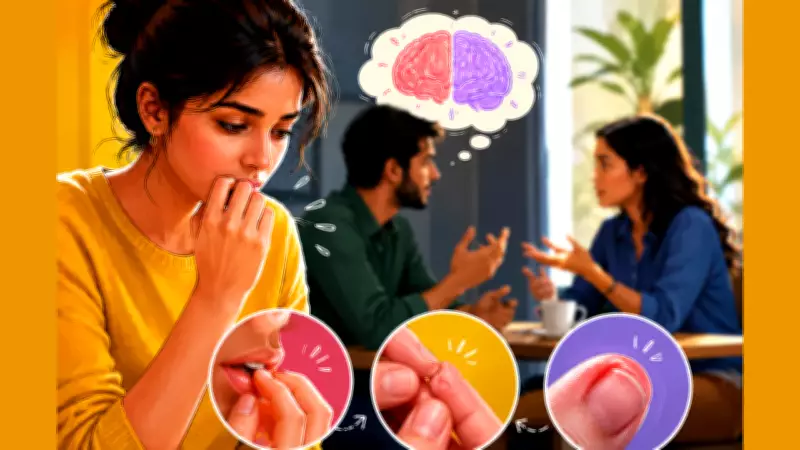
You are in the middle of an important meeting. Someone is sharing something serious. Or maybe you are having a heartfelt conversation with a friend. Then, almost without realizing it, your fingers find their way to your nails, a rough patch of skin, or the edge of a cuticle. You pick, pull, bite, and fidget. Minutes later, you notice a tiny wound and wonder why you did it again.
For many people, this isn't an occasional habit. It's something they do every day, often without any awareness that it's happening. And that's what makes it so confusing. If you're paying attention to something else, why are your hands busy picking at your skin?
The Brain's Role in Automatic Picking
The answer has less to do with willpower and more to do with how the brain handles stress, anxiety, tension, and even concentration. What looks like a harmless habit from the outside can actually be a deeply ingrained coping mechanism that has been reinforced over years. In some cases, it becomes so automatic that people continue doing it while studying, working, watching television, or having a serious conversation.

According to Dr. Rahul Chandhok, Senior Consultant and Head of Psychiatry, Mental Health and Behavioural Sciences at Artemis Hospitals, these behaviors often serve a psychological purpose, even when we aren't consciously aware of it.
What Are the Most Common Psychological Reasons People Pick at Their Nails, Skin, or Cuticles?
Dr. Rahul Chandhok: Nail biting, skin picking, and cuticle picking are common behaviors associated with stress, anxiety, frustration, and emotional tension. For many, they are coping mechanisms, providing a brief escape from uncomfortable feelings. Some do it when they are overwhelmed, some when they are restless, and some perfectionists engage in it. It can sometimes be linked to anxiety disorders and obsessive-compulsive tendencies. Picking may seem innocuous, but it is a habit that is hard to control and comes with physical and emotional health ramifications.
Why Do People Seem to Do It Automatically, Even When Focused on Something Important?
Dr. Rahul Chandhok: Such behaviors tend to be automatic because they are deeply ingrained habits. The brain learns to connect nail biting and skin picking with comfort, concentration, and stress relief. This can trigger people to act without being aware of it. When you are doing something else, like studying, working, watching television, or having an important conversation, your attention is diverted and the habit happens on autopilot. This is why so many people are surprised to find that they have been picking their skin or biting their nails without even realizing it. The behavior is no longer a choice but a reflex.
What Techniques Can Help One Become Aware of the Behavior Before It Starts?
Dr. Rahul Chandhok: The first step to dealing with these habits is self-awareness. Keeping a log of when and where the behavior occurs may be useful in helping to identify triggers. People can also use reminders like sticky notes, phone alerts, or wearable devices that vibrate from time to time to check their actions. This is particularly helpful because it trains people to notice urges before acting on them. Another method that works is to keep your hands busy with stress balls, fidget tools, or other objects. Being aware of early warning signs, like touching the face or running fingers along the cuticles, can help prevent the behavior before it starts.
What Signs Indicate the Behavior Is Severe Enough to Warrant Professional Treatment?
Dr. Rahul Chandhok: If the behavior causes physical injury, bleeding, infection, scarring, or severe pain, you should seek professional help. It may also need treatment if the person spends a lot of time picking, feels unable to stop despite multiple attempts, or experiences great distress, embarrassment, or social withdrawal because of it. Nail biting or skin picking is no longer a habit when it disrupts work, studies, relationships, and daily functioning. Mental health professionals can help identify underlying emotional causes and provide evidence-based treatments, such as cognitive behavioral therapy, to manage the behavior effectively.

Medical experts consulted: This article includes expert inputs shared with TOI Health by Dr. Rahul Chandhok, Senior Consultant and Head of Psychiatry, Mental Health and Behavioural Sciences at Artemis Hospitals. Inputs were used to explain why certain people tend to pick their skin or nails during a conversation.