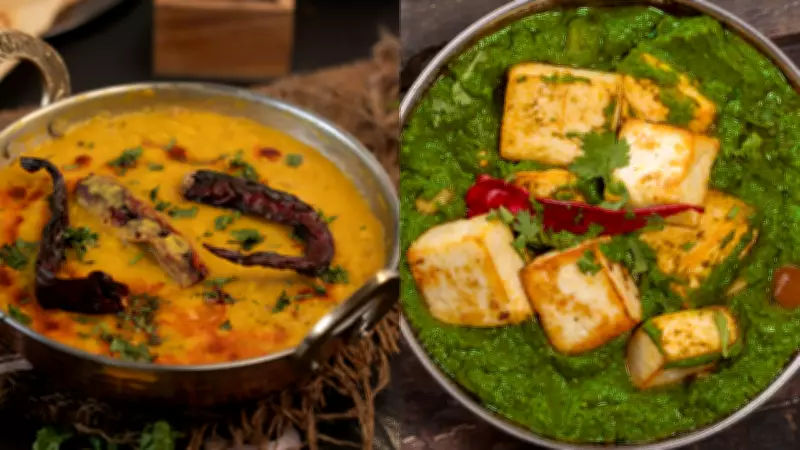
Before protein powders came neatly packed in tubs and measured out by scoops, Indian kitchens were already doing the heavy lifting. Long before fitness marketing turned protein into a trend, families relied on everyday foods that were affordable, filling, and deeply familiar. These were not 'superfoods' in the modern sense. They were simply part of the rhythm of home cooking. What makes these foods special is not just their protein content, but the fact that they were eaten naturally, without obsession, and often with far better consistency than many modern diets manage today. They fed farmers, children, workers, and athletes alike, often without anyone calling them fitness foods at all. Here are 8 foods Indians used before protein powder existed.
Dal
Dal was, and still is, one of the most dependable protein sources in Indian homes. From moong to masoor to toor, it turned a simple meal into something nourishing and satisfying. A bowl of dal with rice or roti was never treated as a diet hack. It was just dinner.
Curd
Curd brought more than cooling comfort to the plate. It added protein, probiotics, and a sense of balance to heavy meals. In many homes, a spoonful of curd with rice or a glass of chaas after lunch was the quiet daily habit that kept digestion and nutrition in check.

Paneer
Fresh paneer has long been a staple in Indian kitchens, especially where vegetarian meals needed more staying power. Soft, rich, and versatile, it could be folded into curries, crumbled into parathas, or eaten plain with salt and spices. It delivered protein without feeling like a compromise.
Chana
Whole chana and roasted chana have always had a strong place in Indian snacking culture. They are compact, affordable, and surprisingly rich in protein. A handful on the go was often enough to take the edge off hunger between meals, without any packaging or polish.
Sattu
Sattu is one of those traditional foods that feels almost engineered for real life. Made from roasted gram flour, it is filling, earthy, and powerfully practical. Mixed with water, lemon, salt, or jaggery, it has fuelled labourers, farmers, and busy households for generations.
Peanuts
Peanuts have never needed a rebrand. They were the snack in lunch boxes, on train journeys, in winter mixes, and in chutneys. Full of protein and healthy fats, they offered a kind of steady energy that suited Indian eating patterns beautifully.
Soybeans
Soybeans arrived later than some of the older staples, but once they entered Indian cooking, they earned their place fast. Cheap, dense, and protein-rich, they were often used in gravies, curries, and mixed dishes for families looking for a stronger nutritional base.
Sprouts
Sprouts became popular because they were easy, fresh, and dense with nutrients. Moong sprouts, chana sprouts, and mixed sprouts were often eaten raw, lightly steamed, or tossed into salads. They brought a clean, simple kind of protein to the table, especially in homes that valued light but filling food.