Food and Nutrition During Cancer: Separating Myths from Facts
Navigating food and nutrition during cancer treatment can be a challenging journey, often clouded by misinformation and well-intentioned but misguided advice. Understanding the role of diet in supporting recovery and managing side effects is crucial for patients and caregivers alike. This article aims to debunk common myths and highlight evidence-based facts to empower individuals facing cancer with accurate nutritional guidance.
Common Myths About Cancer Nutrition
Several misconceptions persist regarding what to eat or avoid during cancer treatment. One prevalent myth is that sugar feeds cancer cells, leading many to eliminate all sugars from their diet. While it is true that cancer cells consume glucose for energy, cutting out all carbohydrates can deprive the body of essential energy needed to fight the disease and maintain strength. Another widespread belief is that a strict alkaline diet can cure cancer by changing the body's pH levels. However, scientific evidence does not support this claim, as the body tightly regulates its pH balance regardless of dietary intake.
Additionally, some people think that fasting or extreme calorie restriction can starve cancer cells. In reality, such practices may weaken the immune system and lead to malnutrition, hindering the body's ability to tolerate treatments like chemotherapy or radiation. It is also a myth that all processed foods must be completely avoided; while whole, nutrient-dense foods are preferable, some processed options can be convenient and safe when chosen wisely, especially for those with appetite issues.

Evidence-Based Facts for Nutritional Support
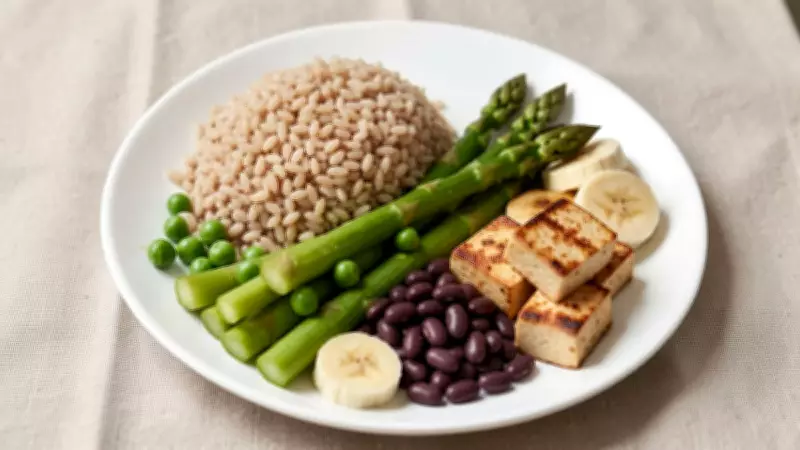
On the factual side, proper nutrition plays a vital role in supporting cancer patients through treatment and recovery. A balanced diet rich in proteins, vitamins, and minerals helps maintain muscle mass, boost immunity, and reduce fatigue. For instance, lean proteins like chicken, fish, and legumes are essential for tissue repair and healing. Hydration is another critical factor, as adequate fluid intake can help manage side effects such as nausea and constipation often associated with cancer therapies.
Moreover, small, frequent meals can be more manageable than large ones, particularly for individuals experiencing loss of appetite or digestive discomfort. Including a variety of fruits and vegetables provides antioxidants and fiber, which support overall health and may help reduce inflammation. It is also important to tailor dietary plans to individual needs, considering factors like treatment type, side effects, and personal preferences, often with guidance from a healthcare professional or registered dietitian.
Practical Tips for Healthy Eating During Cancer
To implement these facts effectively, consider the following practical tips:
- Focus on Nutrient Density: Prioritize foods that offer high nutritional value per calorie, such as leafy greens, nuts, and whole grains.
- Manage Side Effects: Adjust your diet to alleviate common issues; for example, bland foods like crackers or rice can ease nausea.
- Stay Hydrated: Drink plenty of water, herbal teas, or clear broths to prevent dehydration.
- Seek Professional Advice: Consult with a nutritionist or doctor to create a personalized eating plan that aligns with your treatment and health goals.
By dispelling myths and embracing factual nutritional strategies, individuals undergoing cancer treatment can better support their health and enhance their quality of life. Remember, every person's journey is unique, so it is essential to approach diet with flexibility and compassion, focusing on what works best for your body and circumstances.