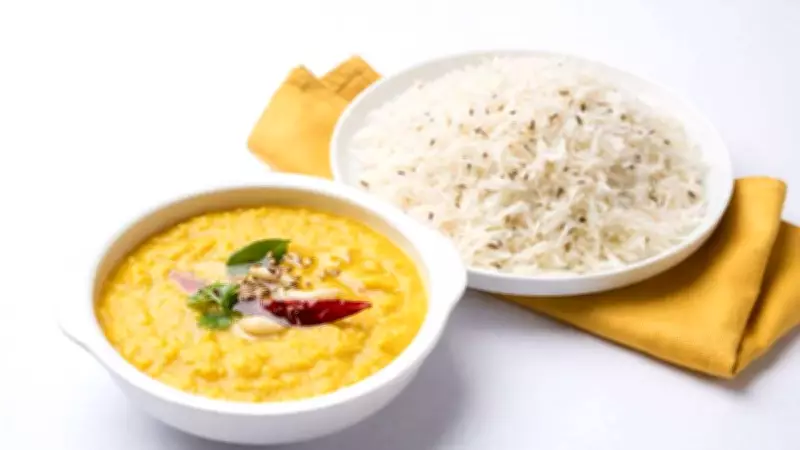
Dal Chawal vs Dal Roti: The Ultimate Weight Loss Showdown
In the quest for effective weight management, traditional Indian meals like dal chawal (lentils with rice) and dal roti (lentils with flatbread) are often at the center of dietary debates. Both dishes are staples in households across the country, praised for their simplicity, affordability, and nutritional value. However, when it comes to shedding extra pounds, which one holds the edge? This comprehensive analysis delves into the nutritional profiles, calorie counts, and health impacts of these beloved meals to guide your weight loss journey.
Nutritional Breakdown: Calories and Macronutrients
A standard serving of dal chawal, typically consisting of one bowl of cooked lentils and one cup of steamed rice, contains approximately 300 to 350 calories. In contrast, a serving of dal roti, with one bowl of lentils and two medium-sized whole wheat chapatis, ranges from 250 to 300 calories. While dal roti generally has a slight calorie advantage, the difference is minimal and can vary based on portion sizes and cooking methods.
Key macronutrient comparisons:

- Protein: Both dishes provide a good source of plant-based protein from lentils, essential for muscle repair and satiety during weight loss.
- Carbohydrates: Dal chawal tends to be higher in carbs due to the rice, whereas dal roti offers more complex carbs from whole wheat, which digest slower.
- Fiber: Dal roti often has a higher fiber content from whole wheat chapatis, promoting better digestion and prolonged fullness.
Glycemic Index and Satiety Factors
The glycemic index (GI) plays a crucial role in weight management, as foods with a lower GI cause slower rises in blood sugar levels, reducing hunger pangs. Rice in dal chawal typically has a higher GI compared to whole wheat chapatis in dal roti, making the latter a better option for sustained energy and appetite control. Additionally, the fiber in roti enhances satiety, potentially leading to reduced overall calorie intake throughout the day.
Experts emphasize that pairing lentils with either rice or roti creates a complete protein source, but the choice between them should consider individual health goals. For those aiming to minimize carb intake or manage blood sugar, dal roti might be preferable. Conversely, dal chawal can be suitable for active individuals needing quick energy, provided portions are controlled.
Practical Tips for Weight Loss Success
Regardless of your preference, moderation and mindful eating are key. Here are some actionable tips to optimize these meals for weight loss:
- Control portion sizes to avoid excess calorie consumption, sticking to one bowl of dal and limited rice or roti.
- Opt for whole grains, such as brown rice or multigrain roti, to boost fiber and nutrient intake.
- Include plenty of vegetables in your dal to add volume, vitamins, and minerals without significant calories.
- Avoid high-fat additions like ghee or butter, which can quickly increase the calorie count of both dishes.
- Listen to your body's hunger cues and pair these meals with regular physical activity for best results.
In summary, while dal roti may have a slight edge in terms of lower calories and higher fiber, both dal chawal and dal roti can fit into a weight loss diet when consumed wisely. The ultimate choice depends on personal preferences, dietary needs, and lifestyle factors. Consulting with a nutritionist can provide tailored advice to help you achieve your health objectives effectively.