The Humble Banana: A Nutritional Powerhouse
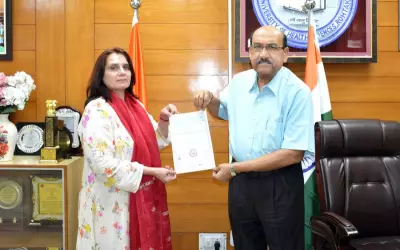
Lt Col Amit Kumar, an officer in the Army Medical Corps, shares his lifelong appreciation for bananas, a fruit he has consumed since childhood. He recalls eating six bananas at once during a visit to his maternal grandmother's home in Mohali when he was barely six years old. The feat became family folklore, retold by his mother's Bengali relatives and his grandparents in Batala. Later, during his internship in Pathankot, his gym coach insisted, "Eat bananas — both before and after a workout." This advice stuck with him through his years in the army, where he often chose bananas over desserts in the Officers' Mess.
India's Nutrition Paradox
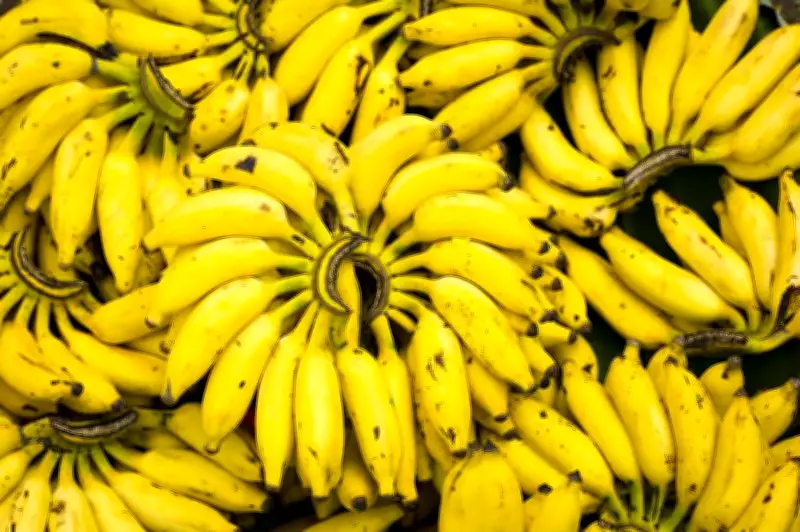
Kumar highlights a curious paradox in India: while millions struggle with malnutrition and rising food costs, urban consumers increasingly spend on imported superfoods, nutritional supplements, and wellness products. He argues that the wellness industry convinces many that health must be expensive, with glossy packaging, exotic names, celebrity endorsements, and social media trends creating the impression that good nutrition comes with a premium price tag. Yet some of the most nutritious foods remain among the cheapest. The banana, rich in carbohydrates, potassium, fiber, and essential nutrients, has quietly nourished athletes, laborers, students, and families for decades. It requires no marketing campaign or elaborate preparation.
Reliability Over Novelty
Kumar notes that this is not an argument against innovation or modern nutritional science, but a caution against undervaluing proven foods in the enthusiasm for the new. He suggests the lesson extends beyond food: in an era that constantly tells us newer is better, the banana taught him that reliability often serves better than novelty. The same principle applies to habits, relationships, values, and public discourse. He proposes a slogan similar to the famous Indian adage "Sunday ho ya Monday, roz khao ande" (eat eggs every day), advocating for bananas as a daily staple.

A Call for Simplicity
Kumar concludes that not everything valuable comes wrapped in fancy packaging. Sometimes, the simplest things endure because they have been quietly serving us well all along. His message is a reminder to appreciate affordable, nutrient-rich foods like bananas in an age of expensive wellness trends.