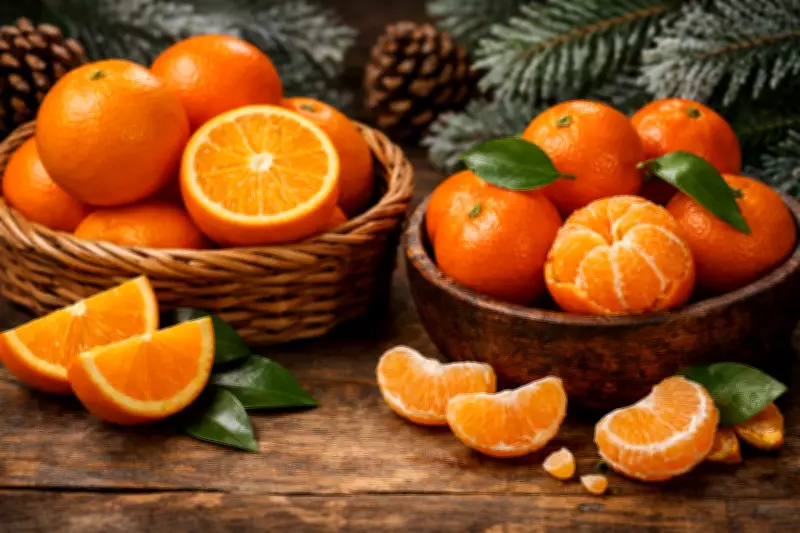
As winter settles across India, grocery lists undergo a seasonal transformation. Shelves brighten with vibrant citrus fruits, juice glasses turn golden, and conversations about immune-boosting foods return with predictable regularity. Among the most prominent choices are two winter favorites: the classic orange and North India's beloved kinnow.
Understanding the Citrus Contenders
While these fruits may appear similar at first glance and share comparable peeling methods, they play distinctly different roles in winter nutrition, practicality, and cultural traditions. The term "orange" typically refers to sweet oranges cultivated across various global regions, characterized by firm skin, moderate juiciness, and excellent storage capabilities. In contrast, kinnow represents a hybrid mandarin variety that flourishes specifically in North India and neighboring Pakistan, dominating winter markets from December through February.
Visual and Textural Distinctions
Major harvest belts for kinnow cultivation extend across Punjab and Rajasthan, where this fruit has become an agricultural staple. Visually, kinnows often display a deeper orange-red hue compared to standard oranges and feel noticeably softer when held. The most dramatic difference emerges upon opening: kinnows are famously juicy, sometimes almost dripping with liquid, while most sweet oranges maintain firmer, tidier segments ideal for on-the-go consumption.

The Vitamin C Showdown
Winter fruit discussions inevitably center on vitamin C content, and for excellent reasons. This essential nutrient supports immune function, collagen production, and overall skin health during dry, cold months when our bodies face additional challenges.
Both fruits serve as excellent vitamin C sources, but kinnows generally deliver a slightly higher concentration per serving, particularly when freshly harvested. This nutritional advantage makes them particularly popular in households focused on preventing seasonal colds and combating winter fatigue. Oranges maintain their nutritional value through steady vitamin C delivery alongside potassium and folate. Their thicker peel provides superior travel and storage capabilities, making them practical for bulk weekly purchases.
Hydration and Digestive Benefits
Winter's dry air and indoor heating systems often lead to unnoticed dehydration, making hydration considerations crucial during colder months. Kinnows excel in this area with their exceptionally high juice content, serving as ideal mid-morning or afternoon snacks that replenish fluids without creating heaviness.
Both citrus varieties contain beneficial fiber, particularly within their white pith and membranes, which supports digestion during a season when meals typically become richer and heavier. Consuming whole segments rather than strained juice preserves this valuable fiber content.
Taste Profiles and Culinary Applications
Kinnows offer a distinctive sweet-tart flavor with aromatic qualities that feel unmistakably seasonal in North Indian kitchens. They're commonly enjoyed plain, enhanced with a pinch of salt and chili powder, or freshly squeezed at roadside stalls throughout winter months.
Oranges present more restrained, clean, mildly sweet profiles with less pronounced fragrance, making them exceptionally versatile across various culinary applications. They integrate seamlessly into salads, breakfast bowls, marmalades, and baked desserts without overwhelming other ingredients.
Practical Considerations: Seeds and Convenience
The practical debate intensifies when examining seeds and everyday convenience. Kinnows have earned notoriety for their abundant seeds, which can complicate casual eating experiences. Their juiciness creates glorious drinking experiences but makes them less suitable for office environments or on-the-go consumption.
Oranges typically contain fewer seeds, feature thicker protective skins, and maintain sturdier segments. These characteristics make them easier to pack into lunchboxes or carry in handbags without creating sticky situations.

Making Your Winter Citrus Selection
Winter's extended duration provides ample opportunity to enjoy both citrus varieties. Consider choosing kinnow when you prioritize ultra-fresh seasonal produce, high juice content, quick vitamin-C delivery, and authentic North Indian winter flavors. Opt for oranges when you value longer shelf life, fewer seeds, easy portability, and cooking versatility.
When markets display freshly harvested kinnows piled high, recognize this as nature's signal to indulge in their seasonal peak. Maintain oranges in regular rotation for days when convenience outweighs spectacle. The wisest winter fruit strategy doesn't demand choosing sides but rather allows both fruits to shine according to their unique strengths—one providing everyday reliability, the other offering juicy, fragrant reminders that cold months possess their own distinctive sweetness.