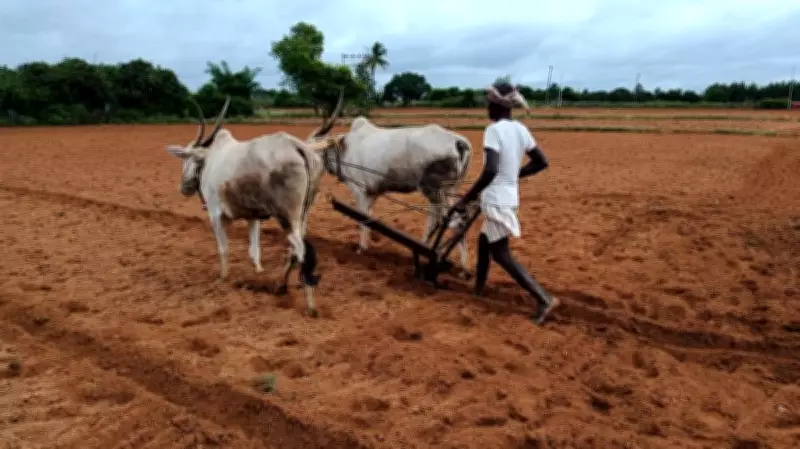
Scanty rainfall has significantly slowed kharif sowing operations across Karnataka's Kolar district, with farmers and officials expressing concern over the delayed onset of the monsoon. According to district agriculture department officials, the current fertiliser stock is sufficient to meet demand for this month, though requirements are expected to surge as sowing activities gain momentum.
Rainfall Deficit Impacts Sowing Progress
Kolar, a key agricultural district in southern Karnataka, has recorded a rainfall deficit of over 40% compared to the normal for June, as per data from the Karnataka State Natural Disaster Monitoring Centre. This shortfall has prevented farmers from preparing their fields and sowing major kharif crops such as ragi, maize, and pulses. As of June 23, only about 15% of the targeted sowing area had been covered, compared to the average of 30% for this time of year.
“The delay in rains has forced us to postpone sowing. We are hoping for good showers in the next week to avoid further losses,” said a farmer from Mulbagal taluk. District officials have advised farmers to opt for short-duration crop varieties if the monsoon remains weak.

Fertiliser Stock Adequate for Now
Agriculture department officials in Kolar stated that the district has adequate stocks of urea, di-ammonium phosphate, and potash to meet current demand. “We have enough fertiliser for this month. As sowing picks up, we will monitor the situation and arrange additional supplies if needed,” a senior official said. The district typically requires around 12,000 metric tonnes of fertiliser during the kharif season, and current stocks stand at approximately 4,000 metric tonnes.
The department has also set up a control room to address farmer queries and ensure timely distribution. Farmers are being encouraged to use soil test-based fertiliser recommendations to optimise usage.
Impact on Major Crops
Kolar is known for its production of ragi (finger millet), maize, and pulses like red gram and horse gram. The delayed sowing could affect yields if the monsoon does not recover soon. “If the rains arrive by the end of June, we can still achieve normal yields. But a prolonged delay will reduce the growing period and impact production,” explained an agriculture scientist from the University of Agricultural Sciences, Bangalore.
In addition to rainfall, the district has also faced issues with pest attacks in some areas, though officials said no major outbreaks have been reported so far.
Government Measures and Farmer Support
The Karnataka government has announced contingency plans for rain-fed areas, including Kolar. These include the provision of drought-tolerant seed varieties and subsidies for micro-irrigation systems. The district administration is also conducting awareness campaigns on water conservation and crop diversification.
“We are closely monitoring the situation. Farmers will be compensated under the state crop insurance scheme if losses exceed 50%,” said a revenue department official. The district has also prepared a list of villages that are most vulnerable to rainfall variability.
As the monsoon remains erratic, farmers in Kolar are anxiously waiting for the skies to open up. The next two weeks will be critical for determining the success of the kharif season in the district.