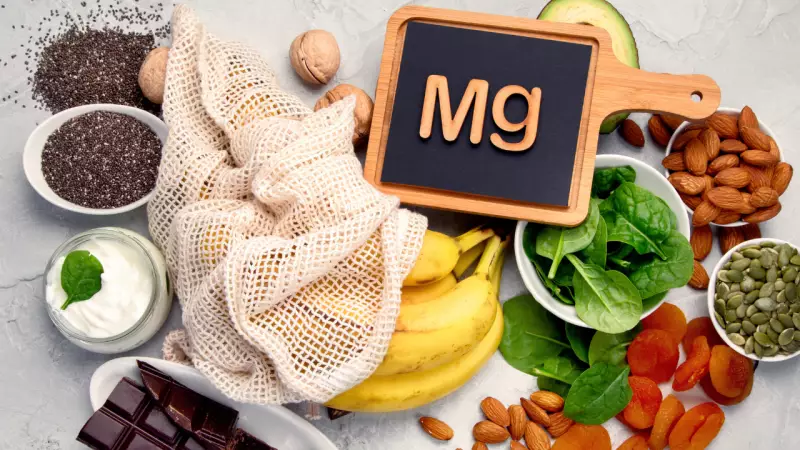
Magnesium, a crucial yet often overlooked mineral, works tirelessly in our bodies. It is fundamental for muscle and nerve function, helps regulate blood pressure and blood sugar, and is vital for producing energy. Despite its importance, magnesium deficiency is widespread, particularly in diets lacking whole foods. For adult women, the recommended daily intake is between 310-320 mg, while men require 400-420 mg, varying slightly with age. While nuts and seeds are famous sources, several vegetables are also powerful contributors, especially when cooked to enhance nutrient absorption. Here are eight standout vegetables packed with magnesium.
Leafy Greens: The Magnesium Powerhouses
Spinach leads the pack as one of the most magnesium-dense vegetables. A 100-gram serving of cooked spinach delivers approximately 87 mg of magnesium. The cooking process significantly reduces its volume, meaning a small bowl of cooked spinach offers far more of the mineral than a large raw salad. Beyond magnesium, it's a rich source of iron, folate, and vitamin K.
Often thrown away, beet greens are nutritional gems that outperform the beetroot itself. When cooked, they provide about 70 mg of magnesium per 100 grams. They are also loaded with potassium and antioxidants, which aid in managing blood pressure. Lightly sautéing them or adding them to traditional Indian dals and soups makes them palatable and easy to digest.

Swiss chard is another leafy green close on spinach's heels, offering around 81 mg of magnesium per 100 grams when cooked. Its slightly bitter taste is a sign of its rich mineral content. Regular consumption can support muscle relaxation and proper nerve signaling, which is beneficial for those experiencing cramps, fatigue, or stress.
Versatile Veggies for Daily Meals
Okra, or bhindi, is a nutritional underdog. Cooked okra contains about 57 mg of magnesium per 100 grams. Its high soluble fibre content promotes gut health and helps slow down glucose absorption, making it excellent for metabolic balance alongside its mineral contribution.
The humble green pea provides a steady supply of magnesium, with cooked peas offering around 33 mg per 100 grams. While not as concentrated as leafy greens, peas are often consumed in larger quantities and pair seamlessly with rice, rotis, and other vegetables. Their blend of magnesium, fibre, and plant protein makes them a reliable dietary supporter.
Unique and Nutrient-Dense Choices
Artichokes are a unique vegetable offering about 60 mg of magnesium per 100 grams when cooked. They are also rich in fibre and prebiotic compounds that support digestive and liver health by nourishing beneficial gut bacteria. Their distinct, earthy flavour adds variety to your plate.
Edamame, or young soybeans, sit at the crossroads of vegetable and plant protein. With a mild, nutty flavour, cooked edamame provides roughly 64 mg of magnesium per 100 grams. This makes it an excellent source of protein, iron, and magnesium, particularly valuable for vegetarians seeking to boost their mineral intake from plants.
Finally, kale, though not as high as spinach, still contributes a valuable 33 mg of magnesium per 100 grams when cooked. Its overall nutrient profile, including calcium and antioxidants, supports bone and muscle health. Lightly cooking or massaging kale improves its taste and makes the minerals more available for the body to use.
Incorporating these eight vegetables into your regular diet is a simple and effective strategy to combat magnesium deficiency. From the classic spinach saag to a stir-fry with Swiss chard or a side of okra curry, boosting your magnesium intake can be both delicious and deeply beneficial for your overall well-being.