Most of Gen Z and millennials are focused on weight loss. Gen Z is influenced by body image pressures and motivated by social media trends, following diets like high-protein, gluten-free, and plant-based diets. On the other hand, millennials, to avoid complications of aging caused by obesity, follow low-carb diets, intermittent fasting, keto diets, millets, and more. Both generations are into digital detoxes, zero-sugar pledges, tracking apps, protein snacks, and so on.
Traditional Snacks as Healthy Alternatives
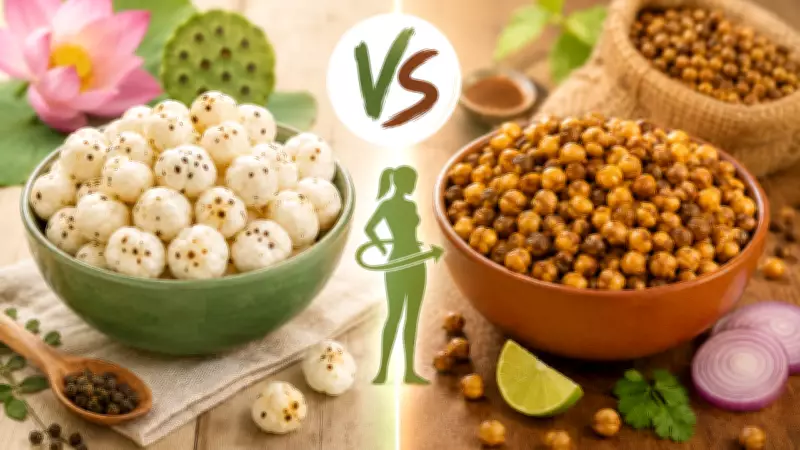
When it comes to weight loss, the first thing people usually think of cutting down is snacks, which is least practical, especially during long gaps between meals and busy schedules. This is where simple traditional Indian healthy snacks like makhana and roasted chana can be helpful. Compared to packaged snacks, fried chips, and other unhealthy options, these are far healthier, easy to prepare, and satisfying as well.
Makhana (Fox Nuts/Lotus Seeds)
Makhana has been trending in recent years for its light, crunchy texture and health benefits. It is one of the best low-fat snacking alternatives. It is rich in magnesium (important for muscle and bone health, heart health, and brain function) and kaempferol (which has anti-cancer, neuroprotective, antimicrobial, antioxidant, and anti-inflammatory properties), and is also a good source of calcium. It supports oxidative balance but lacks a strong protein advantage.

Snacking tips:
- Dry roast with a pinch of pepper and turmeric
- Add to kheer (in controlled portions)
- Mix with nuts
Roasted Chana (Chickpeas)
Roasted chana gives a different kind of fullness. Even a small handful can keep hunger pangs away for some time. It is a rich source of protein and soluble fiber, which helps achieve satiety. It is also rich in B vitamins and iron. The resistant starch in chickpeas ferments into SCFAs, which prolong gastric emptying and elevate GLP-1 secretion, a key appetite suppressor.
Snacking tips:
- Combine into a chaat with onion, tomato, and lemon
- Pair with jaggery
- Eat along with peanuts
Health Benefits and Precautions
Both have a naturally lower glycaemic index, which helps with appetite and blood sugar control, crucial for managing weight, dyslipidemia, and prediabetes. Moderation is key: just because something is healthy does not mean consuming it in large quantities will yield better results. Portion size plays a major role. Usually, a small bowl is enough for snacking (30g–40g per serving). Eating too much may sometimes lead to bloating, and individual tolerance varies.
Which is Better?
For people focusing on satiety, roasted chana has a slight advantage, whereas makhana may be preferred due to its low fat content.
Who should be careful or avoid them:
- Makhana: People prone to kidney stones (especially calcium oxalate stones), IBS patients, people with nut allergies, and those with chronic constipation.
- Chickpeas: People with legume allergies, CKD patients, those with active flares of diverticulitis or IBD, and individuals with sensitive digestion (such as bloating).
Consistency is Key
Many people who pursue weight loss do not reach their ultimate goal, and even if they do, many fail to sustain the same weight for a longer duration, mainly due to lack of consistency. Hence, the focus should be on gradual and consistent methods.
(Dr Narendra K Shetty, Chief Wellness Officer, Kshemavana Naturopathy and Yoga Center)