

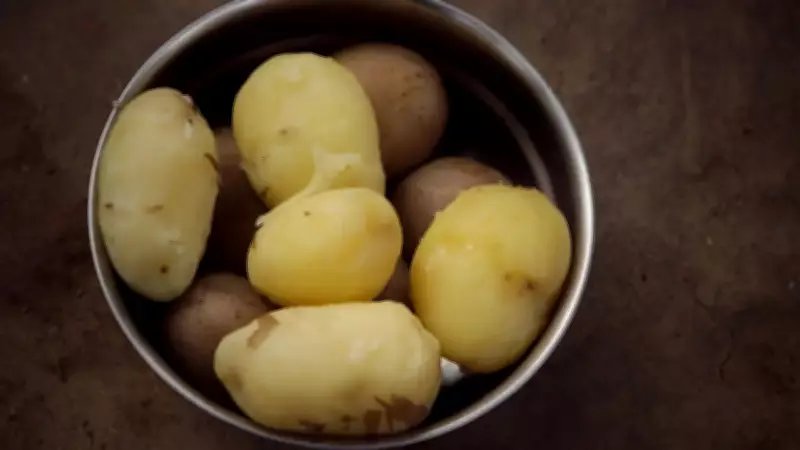
Cooking is a seamless blend of science and art, where science helps you understand the techniques and ingredient combinations that work, and then art makes every dish a personal experience. The cook or chef adds a personal touch, which is why the same dish tastes different when made by different people. However, there are basics that are universal, and so are the problems. One such problem people often complain about is why some boiled potatoes turn mushy and disturb the texture of the final dish. Let us understand the science behind it and also look for simple solutions.
What Happens Inside the Potato During Boiling?
Potatoes consist of water, starch, and a network of plant cells held together by pectin. When the potatoes are heated in water, several changes occur in their chemical formulation. As the temperature rises above 60°C, the starch granules inside the potatoes begin absorbing water and swelling. This process is known as gelatinization. It transforms a hard, raw potato into a soft, edible one.
At the same time, the pectin that holds potato cells together starts breaking down. When cooking is controlled, this creates the ideal texture. However, if potatoes are exposed to excessive heat for too long, the cell walls weaken excessively and begin separating from one another. The result is a potato that loses its structure and becomes mushy. In a nutshell, the starch absorbs excessive water, resulting in the collapsing of the potato in dishes.

Why Only Some Potatoes Become Mushier
This happens with high-starch potatoes such as russet potatoes, which contain more starch and less moisture. On the other hand, waxy potatoes contain less starch and more moisture, and their cell structure remains more intact during cooking, making them ideal for potato dishes that require firm dices and cubes.
How Much Water Should Be Used to Boil Potatoes?
People often have the tendency to fill the pot to the brim with water. In reality, they only need enough water to ensure even cooking. For whole potatoes, it is suggested to use cold water to cover them by approximately 2.5 to 5 cm (1–2 inches). For cubed potatoes, make sure that the pieces are just submerged with about an inch of water above the surface. Also, adding salt to the water is highly recommended, as salted water strengthens the outer structure of the potato and can help maintain texture.
What Is the Ideal Boiling Time?
- Small potatoes: 15-20 mins
- Medium potatoes: 20-25 mins
- Large potatoes: 25-35 mins
- Cubed potatoes: 10-12 mins
3 Ways to Keep Boiled Potatoes Firm
Use Cold Water
It is always suggested to use cold water for cooking. This helps to heat them gradually and cook them evenly from the center outward.
Choose Waxy Potato
If you are boiling potatoes for salad, stir-fry, or grilled dishes, always use waxy potatoes. They contain less starch and retain their shape better during cooking. It is proven that their stronger cell structure prevents excessive breakdown even when exposed to excessive heat.
Drain Immediately and Steam Dry
This is one of the most overlooked steps. People often leave potatoes in hot water even after they are boiled. This leads to excessive absorption of moisture. It is suggested to drain them immediately after pressure is released. The residual steam helps evaporate excess surface moisture and firms up the exterior.
Images Courtesy: istock






