

Karnataka Government Launches Major Drive to Combat Female Foeticide in Bengaluru
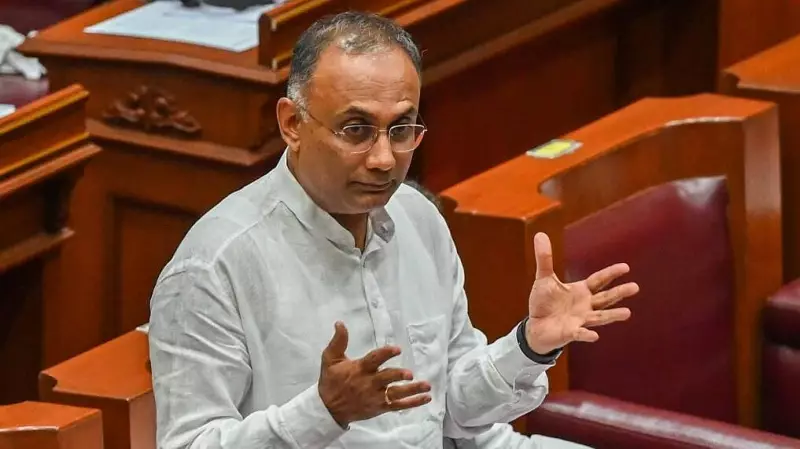
In a decisive move to address the persistent issue of female foeticide, the Karnataka Health Department, in collaboration with the state police, has announced a comprehensive strategy to prevent sex-selective abortions in Bengaluru. Health Minister Dinesh Gundu Rao emphasized that all necessary steps are being taken to curb this illegal practice, which continues to skew gender ratios and violate ethical norms.
Coordinated Efforts Between Health and Law Enforcement Agencies
The initiative involves a tight-knit partnership between health officials and police forces to ensure strict enforcement of existing laws against female foeticide. According to Minister Rao, this joint approach aims to monitor clinics and healthcare facilities more effectively, particularly those suspected of conducting illegal sex determination tests. The health department is conducting regular inspections and surprise raids to identify and penalize violators, while the police are providing support for legal actions and investigations.
Key measures include:

- Enhanced surveillance of ultrasound centers and diagnostic labs to prevent misuse for sex determination.
- Training programs for healthcare professionals on ethical practices and legal compliance.
- Public awareness campaigns to educate communities about the importance of gender equality and the legal consequences of female foeticide.
Minister Dinesh Gundu Rao's Statement on the Crackdown
Health Minister Dinesh Gundu Rao highlighted the government's commitment to eradicating female foeticide, stating that it is a critical social issue that requires immediate attention. He assured that the health department is working proactively to implement the Pre-Conception and Pre-Natal Diagnostic Techniques (PCPNDT) Act, which prohibits sex selection and regulates prenatal diagnostic techniques. Rao stressed that any negligence or complicity in such activities will be met with severe penalties, including license cancellations and criminal charges.
"We are taking all possible steps to prevent female foeticide in Bengaluru and across Karnataka. This is not just a health issue but a matter of social justice and human rights," Rao said. He added that the government is also focusing on community engagement to change mindsets and promote the value of girl children.
Challenges and Future Plans in the Fight Against Sex-Selective Abortions
Despite ongoing efforts, female foeticide remains a challenge in urban areas like Bengaluru, driven by deep-seated cultural preferences for male offspring. The health department acknowledges that enforcement alone is not enough and is therefore integrating awareness initiatives with legal actions. Future plans include expanding outreach programs to rural parts of Karnataka, leveraging technology for better monitoring, and strengthening grievance redressal mechanisms for reporting violations.
The police department has been instructed to prioritize cases related to female foeticide, ensuring swift action and deterrence. This multi-pronged strategy aims to create a safer environment for unborn girls and uphold gender balance in the state.






