

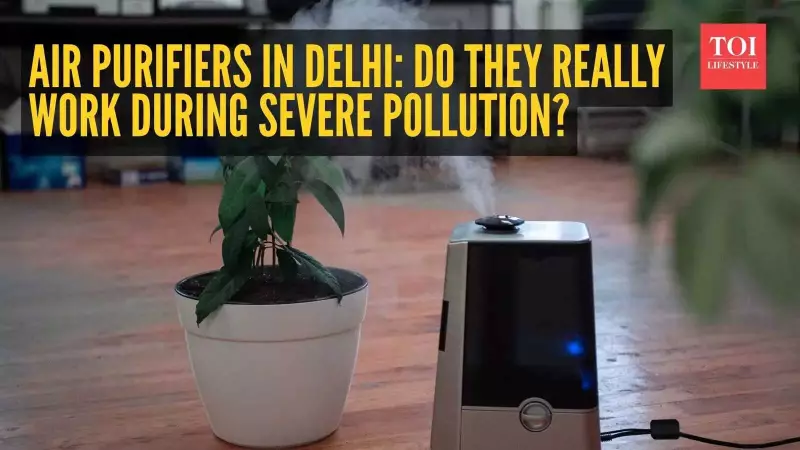
For residents of India's capital, the toxic haze enveloping Delhi has transitioned from a seasonal warning to a grim, year-round reality. When the Air Quality Index (AQI) skyrockets to hazardous levels, the instinct is to retreat indoors. However, the sanctuary of home is often breached by the same dangerous pollution plaguing the streets, driving a surge in air purifier purchases across the city. This raises critical questions for health-conscious families: Is it necessary to keep these devices running continuously, and what tangible benefits do they offer for our well-being?
The Invisible Indoor Invasion: How Pollution Infiltrates Your Home
Shutting windows and doors does not create an impenetrable shield. As highlighted in reports, minuscule particulate matter known as PM2.5 and PM10 can infiltrate living spaces through gaps in windows, door frames, and even tiny cracks in walls. These particles are particularly dangerous due to their microscopic size, which allows them to travel deep into the respiratory system and enter the bloodstream.
Exposure to this polluted indoor air, even for short durations, can trigger immediate symptoms like itchy eyes, persistent headaches, and unusual fatigue. More alarmingly, it exacerbates chronic health conditions, including asthma, cardiovascular diseases, and can weaken the immune system's defenses, making individuals more susceptible to other illnesses.

Air Purifiers: A Shield, Not A Miracle Cure
This is where air purification technology steps in as a crucial line of defense. Devices equipped with genuine HEPA (High-Efficiency Particulate Air) filters are highly effective, capable of trapping up to 99.5% of harmful airborne particles. The consistent operation of such a purifier in a sealed room can significantly improve indoor air quality.
Evidence suggests that even when outdoor air is severely polluted, a functioning purifier can reduce the concentration of dangerous particles indoors by nearly half within a few hours. Consequently, many health experts advocate for running air purifiers continuously during severe pollution episodes. They draw a parallel to household refrigerators, which are never switched off to ensure food safety, suggesting a similar constant-protection mindset for the air we breathe.
However, it is vital to manage expectations. When the outdoor AQI breaches the 400 or 500 mark, indoor air can still register at 'moderately polluted' levels. For instance, an external AQI exceeding 500 might result in an indoor AQI ranging from 120 to 200. While this represents a substantial improvement, it may not meet globally accepted 'safe' standards. The effectiveness is further compromised in homes that are not well-sealed, where frequent opening of doors allows constant reinfection of cleaned air.
Weighing the Practicalities: Cost, Maintenance, and Noise
Operating an air purifier around the clock is generally safe, but it comes with practical considerations. On a high setting, most standard models consume between 30 to 60 watts of power, leading to a noticeable, though not exorbitant, increase in electricity bills.
Maintenance is non-negotiable. Filters accumulate pollutants rapidly during bad air days and typically require replacement every three to six months. Neglecting this not only renders the device ineffective but risks it becoming a source of pollution itself, as overloaded filters can release trapped particles back into the room.
Noise levels are another factor, especially on high fan speeds required during peak pollution. Furthermore, continuous operation may marginally reduce the unit's overall lifespan, though regular filter changes and periodic servicing can ensure it functions optimally for several years.
Maximizing Your Indoor Air Quality
To extract the best performance from an air purifier, a few key practices are essential. First, maintain a sealed environment by keeping windows and doors closed as much as possible. Second, adhere strictly to the filter replacement schedule. For larger rooms or open-plan homes, consider deploying multiple units or investing in a single, more powerful model with a higher Clean Air Delivery Rate (CADR).

While an air purifier cannot replicate the freshness of mountain air, it serves as a critical intervention. It dramatically reduces exposure to harmful PM2.5 and PM10 particles, creating a safer indoor haven until the external air quality improves. In Delhi's current environmental landscape, it is a vital tool for proactive health protection.





