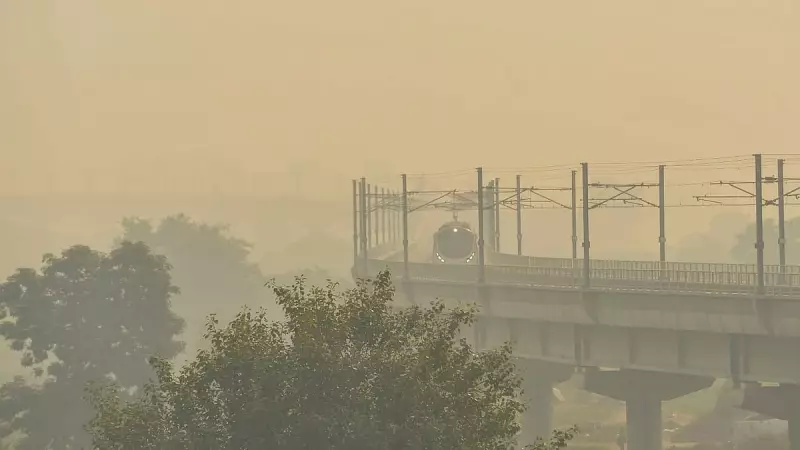
Residents of India's capital experienced a welcome, though brief, improvement in air quality on Thursday, as pollution levels dropped significantly. The city's Air Quality Index (AQI) recorded a reading of 220, marking a shift from the 'very poor' to the 'poor' category and offering a moment of respite.
What Caused the Improvement in Delhi's Air?
The Central Pollution Control Board (CPCB) attributed this positive change primarily to favourable meteorological conditions. Surface wind speeds, ranging between 15 to 25 kilometres per hour, played a crucial role in dispersing the accumulated pollutants that had been plaguing the National Capital Region. These winds helped sweep away the toxic haze, allowing for better ventilation and clearer skies.
A Detailed Look at the Conditions
The data, recorded and confirmed on 25 December 2025, indicates a temporary break in the persistent smog. While an AQI of 220 is still classified as 'poor' and can cause breathing discomfort to people on prolonged exposure, it is a notable improvement from the 'severe' and 'very poor' levels witnessed in the preceding weeks. The CPCB's analysis underscores how local weather patterns, especially wind velocity, are critical determinants of daily air quality in Delhi.
The Larger Context of Air Pollution in the Capital
This episode highlights the precarious nature of Delhi's battle with air pollution. The improvement, while immediate and noticeable, is largely dependent on external natural factors rather than sustained systemic solutions. Experts often point out that such respites are temporary and that the underlying issues of vehicular emissions, industrial pollution, and seasonal stubble burning need long-term, consistent addressal. The brief clearance serves as a reminder of what cleaner air feels like, even as the city braces for potential deterioration once wind speeds reduce.
For now, the citizens of Delhi can take a slightly easier breath, with the hope that favourable meteorological conditions might persist and that comprehensive measures will eventually lead to more permanent solutions for the city's chronic air quality crisis.