Dengue Cases Emerge in Jalandhar with Early Monsoon
Jalandhar has recorded 13 dengue cases so far this year, according to health officials. Of these, six cases originated from urban areas and seven from rural regions, indicating a slightly higher prevalence in the countryside. The onset of early monsoon rains has created favorable conditions for mosquito breeding, prompting the health department to intensify surveillance and control measures.
Extensive House-to-House Surveys Conducted
The health department has conducted dengue surveys in 2,20,448 houses across the district. This includes 57,970 households in urban areas and 1,62,478 in rural areas. During these inspections, health teams examined a total of 5,43,986 containers for mosquito larvae, with 1,46,314 containers checked in urban zones and 3,97,672 in rural zones. Officials confirmed that all larvae found during the surveys were promptly destroyed to prevent further breeding.
Larvae Detection Highlights Urban-Rural Divide
Dengue larvae were detected in 320 houses across the district. Urban areas accounted for 234 of these houses, while rural areas had 76. This suggests that urban households are more prone to mosquito breeding, possibly due to higher container density and water storage practices. On Thursday alone, surveys covered 3,084 houses—932 urban and 2,152 rural. Larvae were found in 25 houses, with 15 in urban areas and 10 in rural areas. A total of 6,656 containers were inspected that day, including 2,132 in urban and 4,521 in rural settings.

Health Officials Urge Community Cooperation
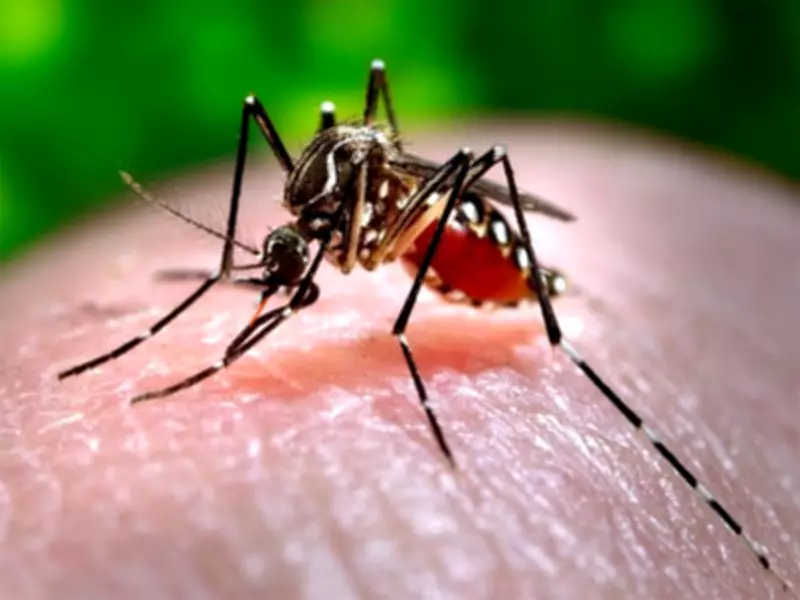
Civil Surgeon Dr Rajesh Garg stated that District Epidemiologist Dr Adityapal Singh, along with dengue control teams, is conducting door-to-door inspections as part of an ongoing campaign. Dr Garg urged residents to ensure that water does not stagnate in and around their homes, as stagnant water serves as a breeding ground for Aedes mosquitoes that transmit dengue. He emphasized that community participation is crucial to keep the situation under control.
Current Status and Preventive Measures
Health Department officials said the dengue situation in the district remains under control, despite the early monsoon. They continue to monitor cases and conduct larval detection drives. Residents are advised to regularly check and empty containers such as flowerpots, coolers, and tires, and to use mosquito repellents. The department is also conducting awareness campaigns to educate the public about dengue prevention.