A former member of the Zila Parishad has sounded an urgent alarm over the deteriorating state of sanitation and drainage in several wards of Bhiwani city, Haryana. The issue, which poses a significant threat to public health, was brought to light during a recent meeting of the Municipal Corporation Bhiwani.
Former Representative Highlights Civic Neglect
Satish Kumar Saini, who previously served as a member of the Zila Parishad, raised serious concerns about the pathetic condition of sanitation and drainage systems in the area. He specifically pointed to the dire situation in wards number 13, 14, and 15, where residents are facing immense hardship due to the civic body's apparent failure to maintain basic infrastructure.
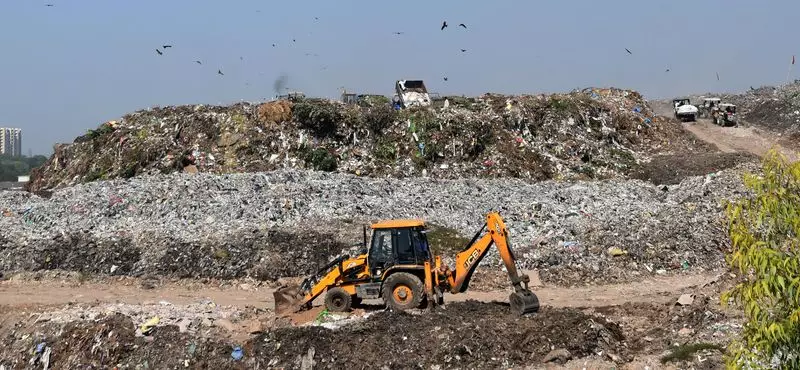
Saini did not mince words, accusing the municipal authorities of sheer negligence. He emphasized that the accumulation of waste and dysfunctional drainage is not merely an inconvenience but a brewing public health crisis. The stagnant water and garbage are becoming breeding grounds for mosquitoes and other vectors, potentially leading to disease outbreaks.

Specific Grievances and Immediate Demands
During his address at the corporation's meeting, Saini outlined clear and immediate demands for rectification. His primary call was for the swift cleaning of all clogged sewers and drains in the affected wards. He stressed that this is not a new problem but a persistent one that has been ignored, causing daily suffering for the local populace.
The former Zila Parishad member warned that if the Municipal Corporation Bhiwani does not take prompt and effective action, the health consequences could be severe. He framed the issue as a fundamental failure in delivering essential urban services, for which the civic body is directly responsible.
Call for Accountability and Swift Action
The intervention by Satish Kumar Saini has put the spotlight squarely on the municipal administration's performance. His statements serve as a formal complaint and a demand for accountability from the elected representatives and officials overseeing Bhiwani's civic amenities.
This incident underscores a common urban challenge in many Indian cities, where infrastructure maintenance often lags behind. The residents of wards 13, 14, and 15 now await concrete steps from the Municipal Corporation Bhiwani. The expected actions include:
- Immediate deployment of sanitation workers to clear solid waste.
- Mechanical cleaning of all blocked sewer lines and stormwater drains.
- Establishing a regular maintenance schedule to prevent future breakdowns.
- Ensuring proper oversight and accountability for sanitation work in these zones.
The ball is now in the court of the municipal authorities. Their response will be a test of their commitment to public health and basic civic governance. The situation in Bhiwani is a stark reminder that without consistent effort and investment in sanitation infrastructure, urban living conditions can quickly deteriorate, affecting the well-being of thousands of citizens.