

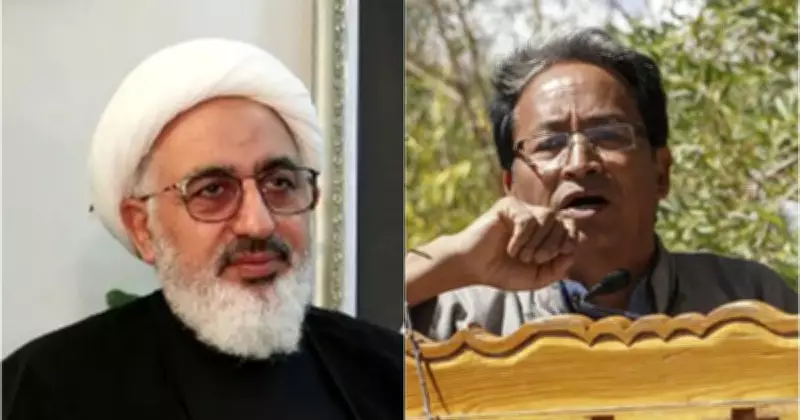
Iran Rejects US Dialogue; Sonam Wangchuk Freed After Six-Month Detention
In a significant development on the global stage, Iran has officially ruled out any possibility of engaging in talks with the United States. This announcement comes amid ongoing tensions and diplomatic standoffs between the two nations, highlighting the persistent challenges in international relations. The decision underscores Iran's firm stance on maintaining its sovereignty and resisting external pressures, which could have far-reaching implications for regional stability and global politics.
Sonam Wangchuk Released from Jodhpur Jail
In domestic news, prominent Indian activist and innovator Sonam Wangchuk has been released from Jodhpur jail after spending six months in detention. His release marks a pivotal moment in a case that has drawn widespread attention and sparked debates over civil liberties and judicial processes in India. Wangchuk, known for his contributions to education and environmental causes, was held on charges that have been a subject of controversy and public scrutiny.
The circumstances surrounding his detention and subsequent release are expected to be closely analyzed, with implications for activism and legal frameworks in the country. Supporters and human rights advocates have welcomed his freedom, calling it a step towards justice and transparency.

Key Implications and Future Outlook
Iran's Diplomatic Stance: Iran's rejection of US talks signals a hardening of positions, potentially affecting nuclear negotiations, regional conflicts, and economic sanctions. This move may lead to increased isolation or alternative diplomatic avenues involving other global powers.
Impact on Indian Activism: Sonam Wangchuk's release could influence future cases involving activists and environmentalists, prompting discussions on legal reforms and the protection of civil rights. It may also inspire renewed efforts in social and environmental movements across India.
As these stories unfold, they reflect broader trends in international diplomacy and domestic governance, shaping public discourse and policy directions in the coming months.






