On the eve of National Doctors' Day, former Union Health Secretary Rajesh Bhushan and former Indian Council of Medical Research Director General Dr Nirmal Kumar Ganguly called for a decisive shift towards preventive healthcare to address India's growing disease burden. Speaking at a programme in New Delhi, the two public health veterans emphasised that India's healthcare system must now prioritise preventing disease through early screening, healthier lifestyles and greater public awareness.
Prevention Over Cure: A New Healthcare Priority
Bhushan noted that India has made significant strides in expanding access to healthcare and strengthening treatment infrastructure. However, he argued that the next phase of reforms should focus on reducing the number of people who fall ill rather than only expanding treatment capacity. "A prevention-first approach, supported by regular screening, early diagnosis, healthier lifestyles and greater public awareness, can substantially reduce the burden of both communicable and non-communicable diseases," he said. He added that preventive healthcare is not just a public health priority but also an economic imperative for building a healthier and more productive nation.
Obesity: A Root Cause of Non-Communicable Diseases
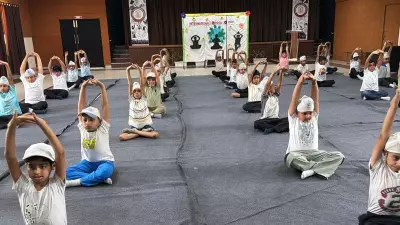
Dr Ganguly described obesity as one of India's biggest public health challenges, warning that it is the root cause of many major non-communicable diseases. He pointed out that most Indians still seek medical care only after falling ill. "Adopting a healthier lifestyle through regular exercise, yoga, meditation, a balanced diet rich in fruits, vegetables and fibre, along with adequate rest, can significantly improve long-term health outcomes," he said. He stressed the need to create greater awareness and encourage people to understand that prevention is far more important than waiting for illness to occur. He also noted that preventive care can help delay accelerated ageing and reduce the risk of several age-related conditions.

Annual Report Highlights Health Awareness Initiatives
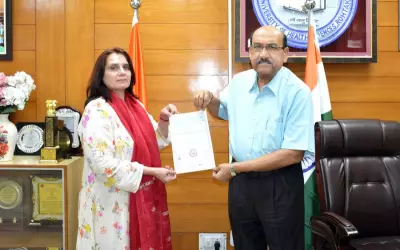
The remarks were made at a National Doctors' Day programme attended by policymakers, senior doctors, researchers and diplomats. During the event, the Illness to Wellness Foundation released its Annual Report 2025–26, outlining health awareness campaigns, school health initiatives, workplace wellness programmes, preventive health screening drives and community outreach activities carried out during the year. Senior pulmonologist Dr GC Khilnani added that many lifestyle and seasonal diseases could be prevented through regular health check-ups, balanced nutrition, physical activity and vaccination.
The Economic Case for Prevention
Bhushan emphasised that preventive healthcare is an economic imperative. By reducing the incidence of disease, the country can lower healthcare costs and improve productivity. He called for a comprehensive approach that includes regular screening, early diagnosis and public awareness campaigns. Dr Ganguly echoed this sentiment, noting that preventive healthcare is the most effective way to address both communicable and non-communicable diseases. He urged Indians to proactively seek preventive care rather than waiting for illness to strike.