

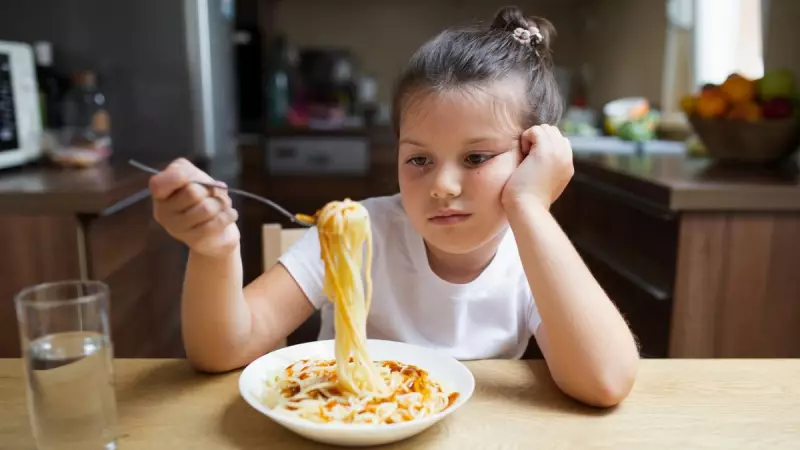
The Growing Concern of Food Allergies Among Indian Children
In recent years, India has witnessed a significant rise in food allergies among children, sparking concern among parents, healthcare professionals, and policymakers. This trend marks a shift from traditional dietary patterns and poses new challenges for families across the country. Understanding the underlying causes, recognizing symptoms, and implementing effective strategies are crucial steps in addressing this public health issue.
Key Factors Driving the Increase
Several interconnected factors contribute to the escalating prevalence of food allergies in Indian children. Environmental changes, including increased pollution and climate shifts, have altered immune responses, making children more susceptible to allergic reactions. Additionally, dietary modifications play a pivotal role; the adoption of processed foods, introduction of new ingredients, and reduced consumption of traditional, locally sourced items have disrupted gut health and immunity.
The hygiene hypothesis also offers insights, suggesting that overly sanitized environments limit early exposure to microbes, hindering the development of robust immune systems. Urbanization and lifestyle changes further exacerbate this, as children spend less time outdoors and more in controlled settings. Genetic predispositions and family history of allergies add another layer of complexity, making some children more vulnerable than others.

Common Allergens and Symptoms to Watch For
Indian children are increasingly reacting to a variety of food items, with some allergens being more prevalent than others. Common triggers include:
- Dairy products: Milk, cheese, and yogurt can cause digestive issues, skin rashes, or respiratory problems.
- Nuts and seeds: Peanuts, almonds, and sesame seeds often lead to severe allergic reactions, including anaphylaxis.
- Wheat and gluten: Found in many staple foods, these can trigger symptoms like bloating, fatigue, or skin irritations.
- Eggs and seafood: Particularly in coastal regions, these are frequent culprits for allergic responses.
Symptoms vary widely but typically manifest as:
- Skin reactions: Hives, eczema, or itching.
- Gastrointestinal issues: Nausea, vomiting, diarrhea, or abdominal pain.
- Respiratory problems: Wheezing, coughing, or nasal congestion.
- Severe cases: Anaphylaxis, characterized by difficulty breathing, swelling, and a drop in blood pressure, requires immediate medical attention.
Preventive Measures and Management Strategies
Addressing food allergies in Indian children involves a multi-faceted approach. Early introduction of potential allergens, under medical guidance, can help build tolerance and reduce risk. Parents are encouraged to diversify diets gradually, incorporating a range of foods while monitoring for adverse reactions. Maintaining a food diary can aid in identifying specific triggers and patterns.
Healthcare providers emphasize the importance of proper diagnosis through allergy testing, such as skin prick tests or blood tests, to confirm sensitivities. Once identified, avoidance of allergens is key, along with educating caregivers, schools, and communities about safe practices. In cases of accidental exposure, having an emergency action plan and access to medications like antihistamines or epinephrine auto-injectors is vital.
Lifestyle adjustments, such as promoting outdoor play to boost immunity and opting for whole, unprocessed foods, can also mitigate risks. Public awareness campaigns and policy initiatives are needed to support families and ensure safe environments for all children.
Looking Ahead: A Call for Action
The rise in food allergies among Indian children underscores the need for proactive measures. By fostering collaboration between healthcare experts, parents, and educators, India can develop effective frameworks to manage and prevent allergies. Continued research into regional dietary habits and environmental impacts will further enhance understanding and solutions, paving the way for healthier futures for the younger generation.






