

Goa Confronts Dire Anti-Rabies Vaccine Shortage as Dog Attacks Escalate
The coastal state of Goa is currently facing an acute and alarming shortage of anti-rabies vaccines, creating a public health emergency amidst a significant rise in dog bite incidents. This critical shortage has left numerous government health centers with depleted stocks, forcing desperate patients to embark on exhausting journeys across multiple facilities in search of the life-saving medication.
Alarming Statistics Highlight the Growing Crisis
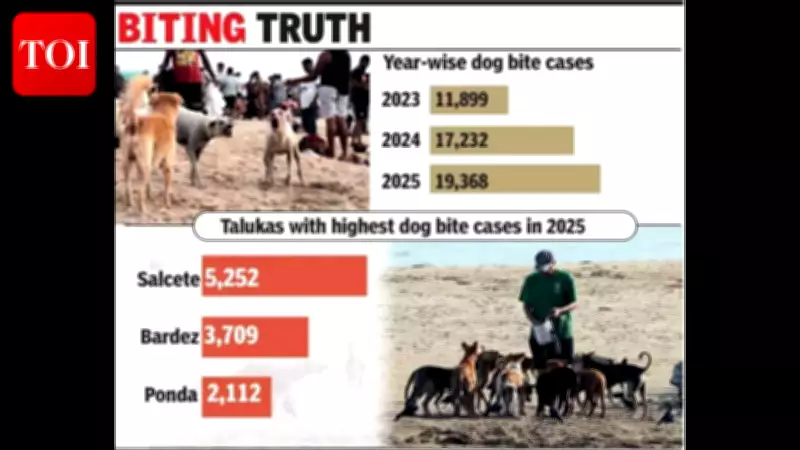
Official data underscores the severity of the situation. Last year, Goa recorded a staggering 19,368 dog bite cases, a sharp increase from the 17,323 cases reported in 2024. The Salcete taluka reported the highest number with 5,252 incidents, indicating a widespread problem across the region.
"The shortage of the anti-rabies vaccine is pan-India. Health centres have been continuously calling us for anti-rabies vaccines," revealed a senior health official to the Times of India, confirming that the crisis extends beyond state borders.

Personal Ordeals Expose Systemic Failures
The human cost of this shortage is vividly illustrated by the harrowing experiences of residents. Arnaldo Furtado, bitten by a dog on February 10, endured a futile odyssey across government facilities. After being turned away from the Cansaulim Primary Health Centre (PHC), he traveled nearly 25km to the Chinchinim health centre, only to face the same disappointment. Further referrals to the Margao urban health centre and the South Goa district hospital proved equally fruitless, with all stocks exhausted.
"Hospital staff suggested that he purchase a vaccine from a pharmacy, and that they would administer it," the report noted. Furtado later discovered each vial costs about Rs 400 and can serve four patients, but remains viable for only four hours once opened. By chance, he managed to share a vial purchased by another victim at the district hospital.
"I contributed towards the cost of the first dose and managed to receive two doses at the district hospital after the vaccine became available," Furtado stated.
Tourist Hub and Local Leader Face Similar Struggles
Thomas Rodrigues, president of the Colva Traditional Fishermen Association, faced a parallel ordeal after a dog bite on March 4. The Colva sub-health centre had no stock, directing him to Cansaulim or the district hospital. He eventually received a vaccination only because a previous patient had left behind the last available dose.
Rodrigues has formally requested the Cansaulim health centre to supply vaccines to Colva, emphasizing the area's status as a major tourist destination. "Colva is a major tourist destination. There have been several incidents of dog-bite incidents on the beach," he warned, highlighting the broader risk to public safety and tourism.
He further raised the issue at a gram sabha, advocating for greater public awareness and urging health services to ensure adequate local stocks of the vaccine.
Health Officials Cite Supply Chain Breakdown
Dr. Paresh Lawande, in-charge of the Cansaulim health centre, confirmed the dire straits, stating, "due to shortage of vaccine, dog bite victims are asked to purchase vaccine doses from pharmacies in the open market."
The senior health official expressed profound concern over the crisis. "We feel pity that people have to go through this, but we are helpless. A supplier told us that the manufacturer was unable to supply the vaccine due to the paucity of raw material," she explained, pointing to a fundamental breakdown in the pharmaceutical supply chain.
An order for 2,000-3,000 vials, placed months ago, remains undelivered, and existing buffer stocks are completely exhausted. While 300 vials were received and distributed to high-demand centres last week, the supply remains critically insufficient. "It’s not that we don’t want to buy, but supply is not available," the official stressed.

Administrative Efforts Hit Dead Ends
The Directorate of Health Services (DHS) has pursued every possible avenue to procure vials, but with little success. "We floated short tenders but didn’t receive a single quote. We are doing our best, but this is beyond our control," the official admitted.
In response, the DHS has implemented all available measures, including formally notifying the Food and Drugs Administration (FDA) about the unavailability of this emergency medicine and requesting the Goa Medical College (GMC) to share part of its stock. Despite these efforts, the vaccine shortage persists, leaving Goa's residents vulnerable and health authorities scrambling for solutions.





