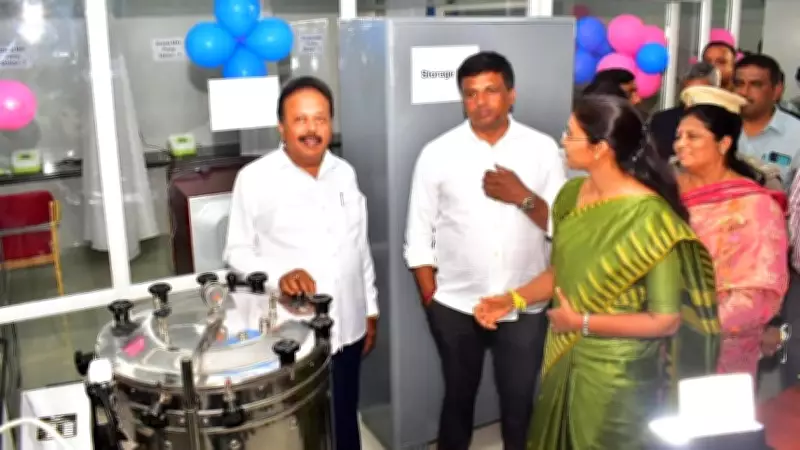
Karnataka Minister for Health and Family Welfare, Dr. K. Sudhakar, also known as Chaluvarayaswamy, officially launched a human milk bank under the state's flagship Shishu Sanjeevini scheme. The initiative aims to provide safe and nutritious donor breast milk to vulnerable newborns, especially those who are premature, low birth weight, or whose mothers are unable to breastfeed due to medical reasons.
Key Features of the Human Milk Bank
The newly established human milk bank is equipped with state-of-the-art facilities for pasteurization, storage, and distribution of donor milk. It will follow strict screening protocols to ensure the milk is safe for consumption. The bank will collect milk from healthy lactating mothers who voluntarily donate excess milk, which will then be processed and provided to infants in need across government hospitals in Karnataka.
Benefits for Newborns
Human milk is crucial for the survival and development of newborns, particularly those in neonatal intensive care units (NICUs). The milk bank will help reduce the risk of infections, necrotizing enterocolitis, and other complications associated with formula feeding. It also supports the mother-infant bond and promotes breastfeeding culture.

Shishu Sanjeevini Scheme Expansion
The Shishu Sanjeevini scheme, which already provides free treatment for neonatal illnesses, is now expanded to include the milk bank service. This move is expected to significantly improve infant mortality rates in the state. The minister emphasized the government's commitment to ensuring every child gets the best start in life.
Implementation and Future Plans
The milk bank will initially operate in Bengaluru and gradually expand to other districts. The health department will collaborate with local communities and NGOs to raise awareness about milk donation. Training programs for healthcare workers on milk bank management have also been initiated.
Dr. Chaluvarayaswamy urged mothers to come forward and donate milk, highlighting that even a small amount can save a life. He also announced that the government would provide incentives to donors, including nutritional supplements and health check-ups.
The launch event was attended by senior health officials, pediatricians, and representatives from the World Health Organization, who lauded the initiative as a model for other states to follow.