

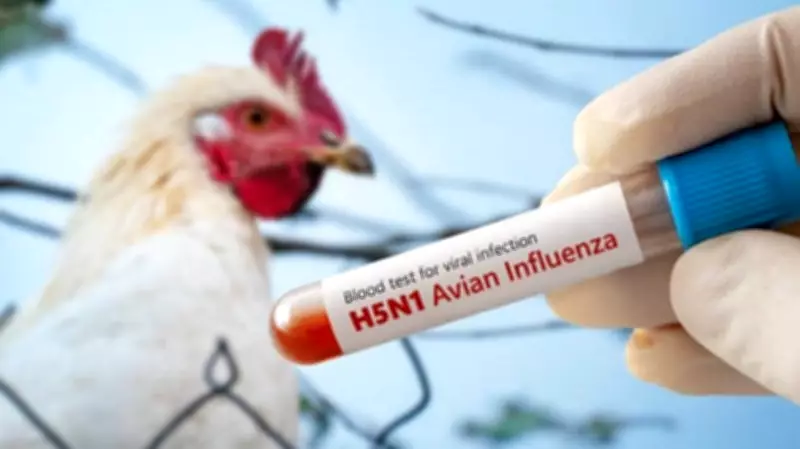
Kerala Initiates Mass Culling to Combat Bird Flu Outbreak
In a decisive move to curb a dangerous avian influenza outbreak, the state of Kerala has mandated the culling of 5,961 domestic birds. This action comes after health officials confirmed the presence of the highly pathogenic H5N1 virus in local poultry populations, raising alarms over potential public health risks and economic impacts on the agricultural sector.
Immediate Response to Avian Influenza Detection
The Kerala government, in collaboration with veterinary and health departments, swiftly activated emergency protocols upon detecting the bird flu strain. Authorities have identified specific farms and backyard poultry operations where the virus has been confirmed, leading to the targeted culling order. This measure is part of a broader containment strategy to prevent the virus from spreading to other regions or mutating into forms that could affect humans.
Public Health and Economic Implications
The outbreak poses significant threats to both human health and Kerala's poultry industry. While there have been no reported human cases linked to this incident, the H5N1 virus is known for its high mortality rate in birds and potential zoonotic transmission. Health experts emphasize the importance of strict biosecurity measures and public awareness campaigns to minimize exposure risks. Economically, the culling could lead to temporary disruptions in local poultry supply chains, affecting farmers and consumers alike.

Preventive Measures and Surveillance Efforts
To mitigate further spread, Kerala authorities have implemented several key actions:
- Establishing surveillance zones around affected areas to monitor bird movements and health.
- Conducting regular testing of poultry samples to detect any new cases early.
- Educating farmers on safe handling practices and reporting sick birds promptly.
- Coordinating with national agencies for technical support and resource allocation.
These steps aim to ensure a rapid and effective response, balancing animal welfare with public safety concerns.
Historical Context and Future Outlook
This is not the first time Kerala has faced bird flu challenges; previous outbreaks in the state have led to similar culling operations, highlighting the recurring nature of such health crises. Officials are optimistic that prompt action will contain the current outbreak, but they warn that ongoing vigilance is crucial. The situation underscores the need for robust disease surveillance systems and contingency plans to handle future incidents efficiently.
As the culling proceeds, residents are advised to avoid contact with sick or dead birds and report any unusual poultry deaths to local authorities. The Kerala government continues to monitor the situation closely, with updates expected as more information becomes available.






