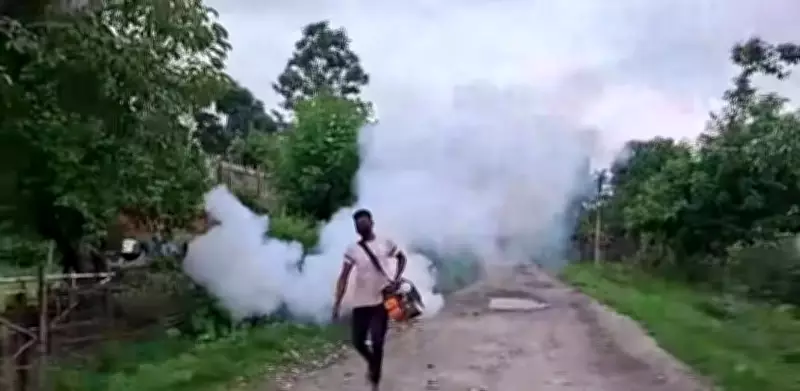
The health department in Pune has rolled out comprehensive monsoon preparedness measures aimed at preventing water and vector-borne diseases across the region. As part of this initiative, water sources in every village will undergo routine testing and chlorine-based disinfection. Vector surveillance efforts will specifically target dengue, malaria, and chikungunya by eliminating breeding sites, implementing larval control, conducting targeted spraying in high-risk zones, deploying biological controls, and fostering community engagement, officials confirmed.
State-Level Directives and Inspections
Dr. Sandeep Sangle, joint director of Maharashtra health services, issued a circular to officials across the state mandating regular inspections of residential institutions. He emphasized the need to maintain adequate medicine stocks and rapid-response systems. Teams will visit ashram schools to audit hygiene conditions, food storage practices, kitchen cleanliness, and water safety protocols.
Dr. Sangle further stated that old-age homes, ashram shalas, and other residential institutions will be visited to conduct entomological surveys and implement measures to prevent disease outbreaks. An integrated pest management approach will be effectively implemented to curb mosquito breeding. This initiative includes eliminating mosquito breeding sites, spraying insecticides in high-risk areas, and deploying biological control measures using guppy fish. Citizens will receive guidance on using mosquito nets and repellent creams, as well as installing window screens.

Pune Municipal Corporation's Preparatory Steps
The Pune Municipal Corporation (PMC) has also initiated preparatory measures to curb outbreaks of dengue, malaria, and other vector-borne diseases. The focus will be on identifying high-risk areas, spraying insecticides, training ASHA workers, implementing mosquito-control measures, and raising public awareness.
Dr. Rajesh Dighe, assistant health officer at PMC, explained, "We will identify vulnerable and high-risk zones in the city and conduct regular insecticide spraying to prevent mosquito breeding and mitigate the risk of epidemics. ASHA workers will play an active role in the disease control campaign and receive specialized training to identify suspected outbreaks. They will spearhead a drive to detect patients suffering from fever; any suspected cases identified will be immediately referred to PMC hospitals for examination and treatment."
The health department will coordinate with the encroachment, solid waste management, drainage, and building departments. Preventive measures will be implemented effectively through regular liaison with various government and private organizations. Dr. Dighe noted that instructions have been issued to ensure an adequate stock of insecticides is available at all zonal offices to prevent a surge in vector-borne diseases during the monsoon.
Public Awareness and Community Engagement
Awareness campaigns will be conducted in schools, colleges, housing societies, and public places to educate citizens on preventing epidemic diseases. Health-related measures have been planned to keep vector-borne disease control under check during the monsoon season.