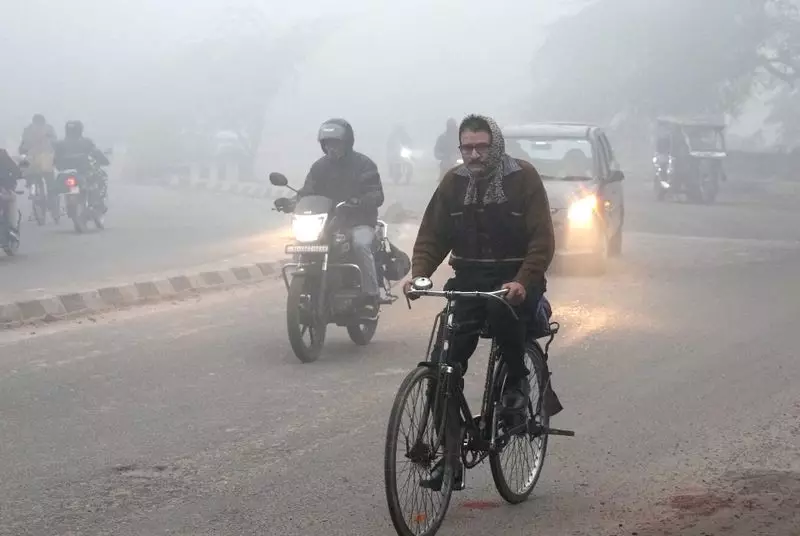
Delhi's skies turned into a thick, grey blanket of smog on Sunday, November 3, as the national capital's air quality deteriorated sharply into the 'severe' category. The alarming decline prompted immediate advisories from the Indira Gandhi International (IGI) Airport, warning passengers of potential disruptions due to reduced visibility.
Airport Issues Advisory Amid Deteriorating Conditions
The situation at the airport became a direct consequence of the worsening air quality. Officials at Delhi Airport took to social media platform X (formerly Twitter) to issue a crucial passenger advisory. They cited low visibility and dense smog as the primary reasons, urging travelers to get in touch with their respective airlines for the latest flight information before heading to the terminals. The advisory was a clear attempt to manage crowds and prevent chaos, as flight schedules faced the risk of significant delays and cancellations.
The Central Pollution Control Board (CPCB) recorded an overall Air Quality Index (AQI) of 447 at 4 pm, solidly placing it in the 'severe' zone. This dangerous level poses serious health risks to the public, especially those with existing respiratory and heart conditions. Monitoring stations across the city painted a grim picture, with major areas like Anand Vihar, Wazirpur, and Jahangirpuri reporting AQI values well above 450, indicating hazardous conditions.

Multiple Factors Converge to Create Toxic Smog
Experts and authorities pointed to a confluence of factors behind this severe episode. The primary culprit, as often is the case during this season, is the stubble burning in the neighbouring states of Punjab and Haryana. Satellite data confirmed a significant number of farm fires, whose pollutants are carried by north-westerly winds directly into the Delhi-NCR region.
Compounding this external source are local contributors. Vehicular emissions, dust from construction sites, and industrial pollution continued to add to the toxic mix. Furthermore, unfavourable meteorological conditions—specifically calm winds and low temperatures—have trapped these pollutants close to the ground, preventing their dispersion. This combination has effectively turned the city into a gas chamber, with visibility dropping drastically in many parts.
Health Warnings and Government Response
As the AQI entered the 'severe' category, the mandated Graded Response Action Plan (GRAP) Stage III measures were expected to be enforced across the National Capital Region. These stringent measures include a halt on most construction and demolition activities, restrictions on the entry of polluting trucks into Delhi, and a possible shift to remote working for a portion of the workforce.
Doctors have reiterated severe health warnings, advising citizens, particularly children, the elderly, and those with pre-existing conditions, to limit outdoor exposure. The polluted air can trigger or worsen a range of health issues, from asthma attacks and bronchitis to eye irritation and cardiovascular stress. The government's air quality panel is closely monitoring the situation and is likely to hold emergency meetings to decide on further actions if the smog persists.
The return of severe smog so early in the winter season has raised serious concerns about the months ahead. It underscores the persistent and complex challenge of air pollution in northern India, where seasonal agricultural practices, urban emissions, and weather patterns create a perfect storm for public health crises. All eyes are now on the enforcement of anti-pollution measures and any potential change in wind patterns that could offer temporary relief to the smog-choked city.