

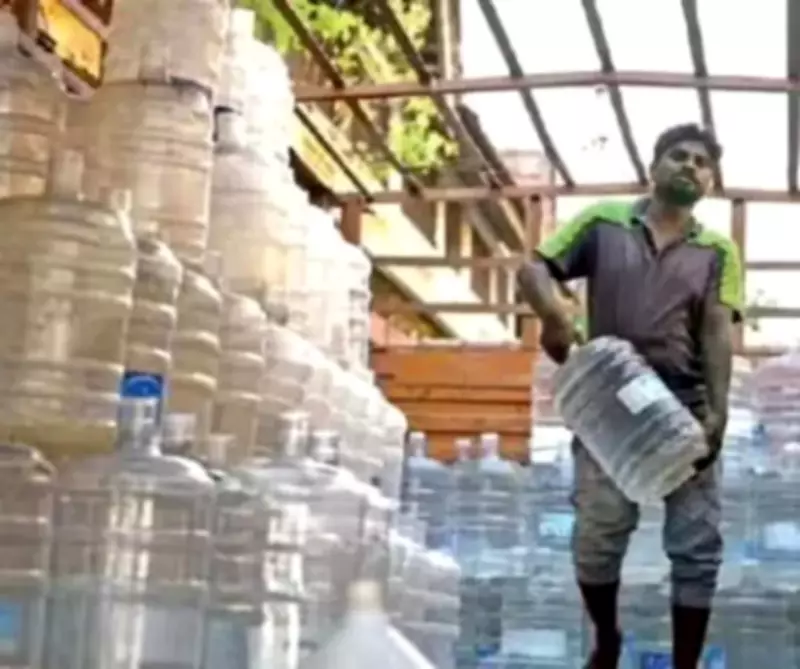
Tamil Nadu Food Safety Department Intensifies Monitoring of Packaged Drinking Water Cans
With summer temperatures set to intensify across Tamil Nadu, the state's food safety department has stepped up its monitoring of packaged drinking water cans. This proactive move aims to ensure that quality and safety standards are strictly followed by suppliers, particularly for the popular 20-litre cans that see a surge in demand during the peak summer months.
Strict Guidelines and Inspections Implemented
The department has started issuing comprehensive guidelines to suppliers, explicitly prohibiting the sale of contaminated 20-litre cans. Authorities have ordered strict inspections to verify compliance, with a focus on preventing the distribution of water in dirty or algae-infested containers. Shop owners found violating these rules will face a substantial fine of 5,000 rupees.
Under the new guidelines, vendors are required to ensure that every water can is thoroughly clean and properly labeled. Each label must include the manufacturer's name, date of packing, expiry date, and the licence number issued by the Food Safety and Standards Authority of India (FSSAI).

Key Safety Measures and Industry Standards
R Lalvena, Commissioner of the Food Safety Department, emphasized several critical safety measures. "Companies were instructed not to store drinking water cans in direct sunlight, as exposure to heat can significantly affect water quality," he stated. Additionally, Lalvena highlighted that a water can should be recycled only up to 30 times before it must be discarded to prevent contamination risks.
The department has also prescribed specific mineral standards for packaged drinking water. According to these standards, calcium levels should range between 10mg and 75mg per litre, while magnesium content must remain between 5mg and 30mg per litre to ensure safe consumption.
Industry Response and Unauthorized Vendors
Industry representatives have acknowledged that most authorized suppliers regularly test water quality and adhere to safety norms. "We tested water quality, and even government departments conducted checks. Standards were generally maintained well," said a supplier. However, they pointed out a significant issue with unauthorized vendors who collect water from tanker lorries without proper quality checks and then paste labels of different companies onto the cans.
"This practice often goes unchecked, and decisive action should be taken against such unauthorized vendors to protect public health," the supplier added, urging authorities to focus enforcement efforts on these rogue operators.
Resident Complaints and Lack of Action
Residents in areas like K K Nagar have expressed frustration over the persistent problem of algae-infested cans, despite multiple complaints to suppliers. K Malathy, a local resident, shared her experience: "During summer, we often find the cans are dirty. Even when we complain, they assure us that they will provide a new can next time, but fail to do so."
Malathy further criticized the lack of oversight, stating, "Even the government departments concerned failed to inspect these local shops, which is why they continue the practice." This sentiment underscores the need for more rigorous and consistent inspections to ensure compliance with the new guidelines.
The intensified monitoring by the Tamil Nadu food safety department comes at a crucial time, as households and commercial establishments increasingly depend on 20-litre cans for daily consumption during the hot summer months. By enforcing strict standards and penalties, authorities aim to safeguard public health and prevent waterborne illnesses, ensuring that residents have access to safe and clean drinking water throughout the season.






