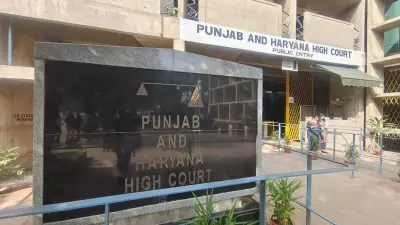
In a tragic turn of events, Twisha Sharma, a young woman, sent a desperate message to her family days before her death, saying, 'My life has become hell, take me away.' The incident has once again brought the issue of mental health to the forefront.
The Desperate Plea
According to sources, Twisha Sharma had been struggling with severe depression and anxiety. In her final days, she reached out to her family with a heartfelt plea, expressing her unbearable pain. 'My life has become hell, take me away,' she wrote in a message that has now become a haunting reminder of her suffering.
Family's Response
The family, shocked and devastated, stated that they were unaware of the extent of her distress. 'We knew she was going through a tough time, but we never imagined it was this severe,' said a family member. They are now calling for greater awareness and support for mental health issues.

Twisha's death has sparked a conversation about the importance of recognizing signs of mental distress and providing timely intervention. Experts emphasize that such desperate messages should never be ignored and that immediate action can save lives.
Mental Health Crisis in India
India is facing a significant mental health crisis, with thousands of individuals suffering in silence. According to recent statistics, suicide is one of the leading causes of death among young adults in the country. The lack of accessible mental health services and the stigma associated with seeking help are major barriers.
In light of Twisha's tragic death, mental health advocates are urging the government and society to prioritize mental well-being. 'We need to create a safe space for people to talk about their struggles without fear of judgment,' said Dr. Ananya Singh, a clinical psychologist.
What Can Be Done?
- Recognize warning signs such as withdrawal, mood swings, or expressions of hopelessness.
- Encourage open conversations about mental health.
- Provide access to counseling and helplines.
- Reduce stigma through education and awareness campaigns.
Twisha's story is a stark reminder that mental health is as important as physical health. Her desperate message should serve as a call to action for all of us to be more attentive and compassionate towards those who are suffering.