WHO Issues Warning on Rare Nipah Virus Infection in India
The World Health Organization (WHO) has issued a significant warning regarding the Nipah virus, describing it as a rare but serious infection that has recently emerged in India. WHO Director-General Tedros Adhanom Ghebreyesus emphasized the gravity of the situation while simultaneously reassuring the global community about the low risk of transmission associated with this outbreak.
Global Health Body's Statement on Nipah Virus
In a detailed statement released on Saturday, Tedros Adhanom Ghebreyesus confirmed that the two cases of Nipah virus infection reported in West Bengal represent the third occurrence in this Indian state since the virus was first identified in 1998. He specifically noted that no cases have been reported in any other country linked to this current outbreak, highlighting the localized nature of the infection.
The WHO director-general further explained that Indian health authorities are actively monitoring over 190 contacts of the infected individuals, with none developing the disease so far. This careful surveillance has been crucial in containing the spread and understanding the transmission patterns of the virus.

Enhanced Surveillance and Public Awareness Measures
Indian authorities have implemented comprehensive measures to address the Nipah virus situation, including:
- Increased disease surveillance and testing protocols
- Implementation of prevention and control measures in healthcare settings
- Public information campaigns about protective measures
- Continuous monitoring of contacts and potential cases
These proactive steps have been instrumental in managing the outbreak effectively and preventing wider transmission within the community.
Low Transmission Risk and Travel Advisory
Despite the seriousness of the infection, WHO has confirmed that the risk of transmission remains low, citing no evidence of increased human-to-human spread. The organization has explicitly stated that there is no need for travel or trade restrictions in response to this outbreak, providing important reassurance to both domestic and international stakeholders.
This assessment comes at a time when several countries, including Thailand, Malaysia, Nepal, Taiwan, and Singapore, have reinstated COVID-era health screenings at airports as a precautionary measure against potential virus spread.
Understanding Nipah Virus Characteristics
The Nipah virus represents a significant health concern due to several key characteristics:
- High Fatality Rate: The virus causes death in approximately 40% to 75% of infected individuals
- Transmission Sources: Primarily spreads from infected animals, particularly bats, to humans through close contact or consumption of contaminated food
- Treatment Limitations: Currently, there is no approved vaccine available for Nipah virus treatment
- Early Detection Importance: Prompt identification and medical intervention can significantly reduce the fatality rate
Recent Cases in West Bengal
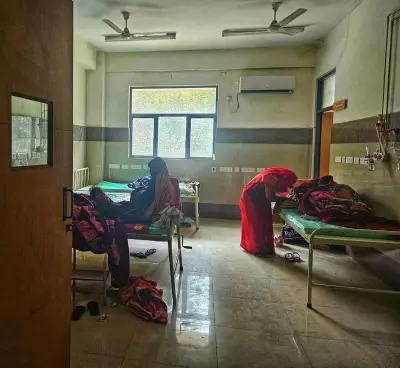
The Ministry of Health and Family Welfare confirmed on January 26 that two health workers in West Bengal's North 24 Parganas district tested positive for Nipah virus disease (NiVD). According to official reports, both individuals developed typical symptoms of severe NiV infection in late December 2025 and were hospitalized in early January 2026.
WHO provided specific details about their medical progress, noting that as of January 21, 2026, the second case showed clinical improvement, while the first case remained under critical care. Health officials later reported that both patients' conditions improved, and they eventually tested negative for the contagion.
This outbreak has prompted renewed attention to zoonotic diseases and the importance of robust public health systems capable of responding to emerging infectious threats while maintaining balanced risk assessments for global health security.