

Understanding Iron Deficiency in Women
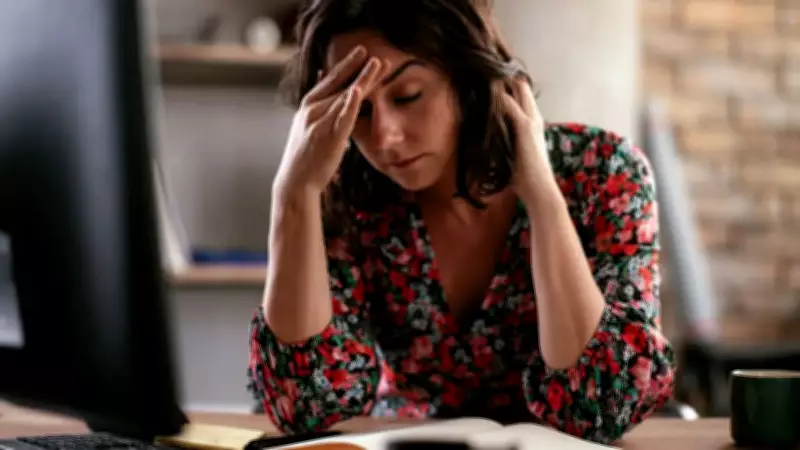
Feeling tired all the time? Struggling with low energy, headaches, or hair fall? Many women assume these are just part of a busy life. However, there may be another reason behind these symptoms: iron deficiency. Iron deficiency is one of the most common nutritional problems among women worldwide. Yet, many women don't realize they have it until the symptoms start affecting their daily lives.
Why Are Women More Prone to Iron Deficiency?
Iron deficiency is one of the most common nutritional deficiencies in the world, and women are at a much higher risk than men. According to a review published in PubMed Central (PMC), women of reproductive age have the highest rates of iron deficiency and iron-deficiency anemia globally. Researchers explain that regular menstrual blood loss, pregnancy, and increased iron requirements are the main reasons behind this higher risk.
A study published in PubMed found that menstrual blood loss plays a major role in determining a woman's iron balance. Researchers observed that women with higher iron losses during menstruation were more likely to have depleted iron stores and lower iron levels.

Another PMC review reported that iron deficiency in women with regular menstrual cycles is almost ten times more common than in men of the same age. The researchers noted that monthly blood loss combined with insufficient dietary iron intake significantly increases the risk of deficiency.
Pregnancy further increases the body's iron needs. During this period, iron is required not only for the mother's increased blood volume but also for the baby's growth and development. If a woman enters pregnancy with low iron stores, the risk of deficiency becomes even greater.
These findings highlight why women should pay close attention to symptoms such as fatigue, weakness, dizziness, and hair fall, as they may be signs of low iron levels rather than just a busy lifestyle.
Signs You Should Not Ignore
Iron deficiency often develops slowly, making it easy to miss the warning signs. Common symptoms include:
- Constant tiredness and weakness
- Difficulty concentrating
- Frequent headaches
- Dizziness
- Hair fall
- Pale skin
- Shortness of breath
- Cold hands and feet
Many women dismiss these symptoms as stress, lack of sleep, or a hectic schedule. However, low iron levels can have a real impact on work performance, physical health, and overall quality of life. The good news is that a simple blood test can help identify iron deficiency before it becomes severe anemia.
Easy Home Remedies That May Help
Simple dietary and lifestyle changes can help support healthy iron levels naturally. Including iron-rich foods such as spinach, lentils, beans, chickpeas, dates, raisins, eggs, fish, and lean meat in your daily meals can make a difference over time. Pairing these foods with vitamin C-rich options like oranges, lemons, amla, guava, and tomatoes can further improve iron absorption.
It is also helpful to avoid drinking tea or coffee immediately after meals, as they can reduce the body's ability to absorb iron. Cooking in cast-iron cookware and choosing nutritious snacks like dates and raisins may also contribute to better iron intake. While these home remedies can support iron levels, women experiencing persistent symptoms should consult a healthcare professional and get their iron levels tested.
The Bottom Line
Iron deficiency is far more common in women than many people realize. Monthly periods, pregnancy, and increased nutritional demands make women especially vulnerable. The problem often goes unnoticed because its symptoms can seem normal or unrelated. Paying attention to signs such as fatigue, hair loss, and poor concentration can make a big difference. Early detection and proper nutrition can help women maintain healthy iron levels, boost energy, and improve overall well-being. Sometimes, feeling better starts with something as simple as getting enough iron.






