

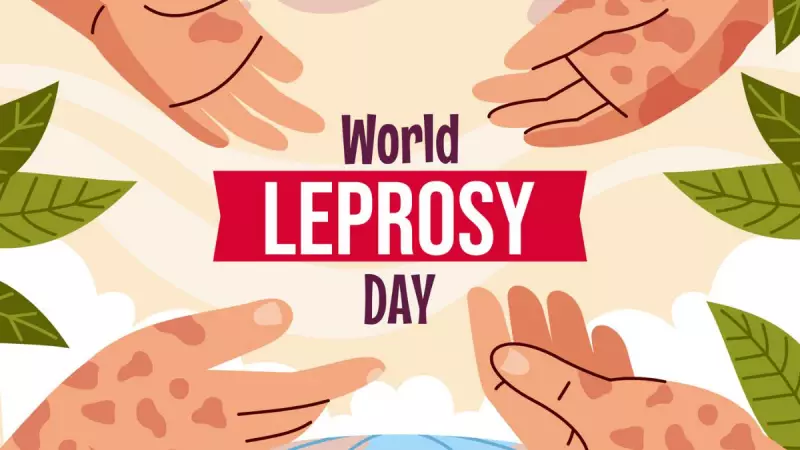
World Leprosy Day 2026: Debunking Myths About Leprosy Contagion
As the world observes World Leprosy Day on January 25, 2026, medical experts are stepping forward to address one of the most persistent questions surrounding this ancient disease: Is leprosy contagious? This annual event aims to raise awareness about leprosy, also known as Hansen's disease, and combat the stigma that has long been associated with it. In India, where leprosy remains a public health concern despite significant progress, understanding the facts about transmission is crucial for both prevention and social acceptance of those affected.
How Leprosy Actually Spreads: Medical Insights
Doctors explain that leprosy is indeed contagious, but its transmission is not as straightforward as many people believe. The disease is caused by the bacterium Mycobacterium leprae, which spreads through prolonged and close contact with an untreated, infected person. Specifically, transmission occurs via respiratory droplets when an infected individual coughs or sneezes. However, it is important to note that leprosy is not highly contagious; most people have natural immunity, and only a small percentage of those exposed actually develop the disease. Casual contact, such as shaking hands or sharing meals, does not typically lead to transmission, debunking common myths that have fueled social exclusion for centuries.
Symptoms and Early Detection in India
Early detection plays a vital role in managing leprosy and preventing its spread. Key symptoms to watch for include:

- Skin patches that may be lighter or darker than the surrounding skin and are often numb to touch.
- Numbness or tingling in the hands, feet, arms, or legs due to nerve damage.
- Muscle weakness, particularly in the face, which can lead to eyelid drooping or difficulty closing the eyes.
- Thickened or painful nerves, often felt as lumps under the skin.
In India, where leprosy cases are still reported, especially in certain states, public health initiatives emphasize regular screenings in high-risk areas. Doctors stress that with prompt diagnosis, leprosy is entirely curable through multidrug therapy (MDT), which has been available free of charge under government programs for decades.
Treatment and Stigma Reduction Efforts
The treatment landscape for leprosy has transformed dramatically over the years. Modern multidrug therapy, typically involving a combination of antibiotics like dapsone, rifampicin, and clofazimine, can cure the disease within 6 to 12 months. Once treatment begins, patients become non-contagious within a few days, significantly reducing the risk of transmission. Despite this, social stigma remains a major challenge in India, where misconceptions about contagion persist. On World Leprosy Day, health campaigns focus on educating the public that:
- Leprosy is curable, and treated individuals pose no threat to others.
- Discrimination against those with leprosy is unfounded and harmful.
- Community support is essential for rehabilitation and reintegration.
Government schemes and non-governmental organizations are working tirelessly to provide not only medical care but also social and economic support to affected families, aiming to eliminate leprosy as a public health problem in India by 2030.
Global and Indian Context for World Leprosy Day 2026
World Leprosy Day serves as a reminder of the global commitment to eradicate this disease. In India, which accounts for a significant portion of the world's leprosy cases, the day is marked by awareness drives, free medical camps, and advocacy for policy improvements. Doctors highlight that while leprosy is contagious under specific conditions, fear and misinformation are more dangerous than the disease itself. By fostering a better understanding of transmission, symptoms, and treatment, India can move closer to a leprosy-free future, ensuring dignity and health for all its citizens.






