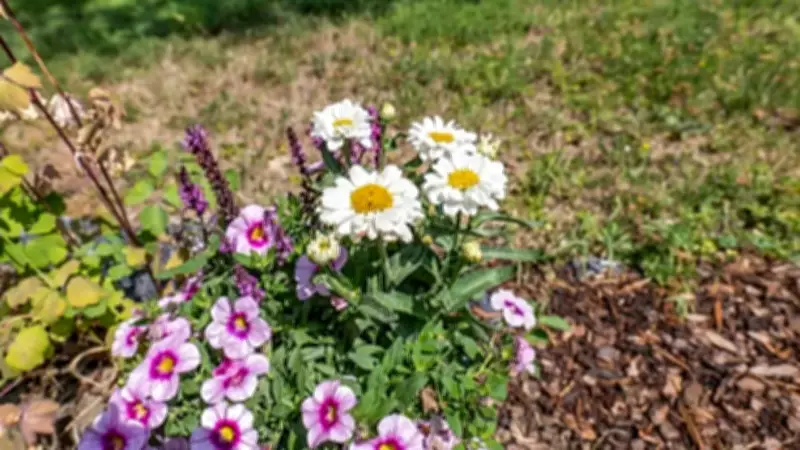
5 Easy Tips to Keep Petunia Plants Healthy and Colourful
One of the most beautiful flowering plants that many people grow in their homes or terraces is the petunia. Available in a variety of colours, this plant blossoms throughout the entire season. To ensure that the plant looks fresh and colourful, some care is needed. Key aspects include sufficient sunlight, proper watering, regular trimming, good soil, and fertilizing. With proper care, petunias can blossom continuously for weeks or even months.
Ensure Petunias Have Sufficient Sunlight
Like most flowering plants, petunias blossom well when they receive bright sunlight. They need at least five to six hours of bright sunlight daily. Without adequate sunlight, the plant will look pale and produce few flowers. Sunlight ensures healthy flowering and keeps petunias colourful. Hanging baskets and terraces or balconies facing sunrise are best for growing petunias. On extremely hot summer days, partial shade in the afternoon can be beneficial.
Carefully Water Petunias
Watering is integral to petunia care, but overwatering must be avoided as it causes issues like fungal infestation and poor flower production. Water the plant when the soil starts drying out. Check soil moisture before watering; petunias should remain moderately moist but never flooded. During extremely hot days, watering twice a day may be necessary.

Regularly Trim Fading Flowers
Trimming faded flowers, or deadheading, helps ensure longer blooming. Dried flowers take up resources that could be used for new buds. Regular cutting encourages better flower production.
Provide Fertilizers
Since petunias produce flowers throughout the growing period, they need additional nourishment. Feeding petunias every few weeks helps them flourish and produce more flowers. Consider using compost tea or diluted organic liquid fertilizer. Pot-grown petunias require more frequent fertilizing as potting soil is nutrient-poor.
Avoid Pests and Overcrowding
Insects like caterpillars, aphids, and whiteflies feed on petunias. Overcrowded petunias attract more pests due to insufficient airflow. Regular trimming and proper spacing are essential for healthy, attractive plants.
Disclaimer: This article is for general informational and gardening purposes only. Petunia growth and flowering may vary depending on climate, soil quality, sunlight exposure, watering habits, and local conditions. Tips are based on common practices and may not guarantee identical results. Consult local experts or nurseries for guidance suited to your area and petunia variety.