

Transforming Exercise from Chore to Play: A Guide for Parents
In today's digital age, where screens dominate daily life, motivating children to engage in physical activity presents a significant challenge for parents. All too often, exercise is perceived by young minds as a set of rigid rules, external pressure, or even a form of punishment. This negative association can lead to outright resistance, making physical fitness a battleground rather than a joyful part of childhood. However, exercise does not need to be a forced or unpleasant activity to be effective. When framed as fun, freedom, and a rewarding experience, children naturally gravitate toward participation. The fundamental shift lies in transforming exercise from a mandatory task into a pleasurable pursuit, thereby teaching kids to cultivate a positive, lifelong relationship with physical activity.
1. Frame Exercise as Play, Not Instruction
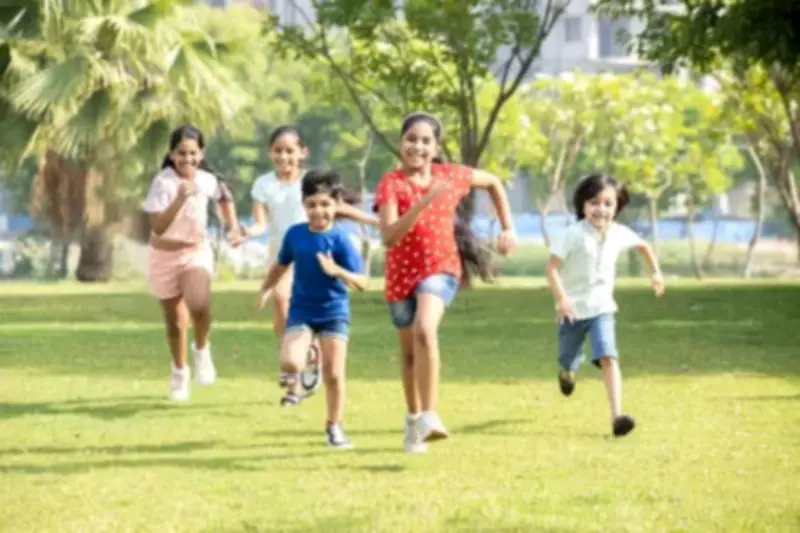
Children respond most enthusiastically to physical activities presented as playful games rather than formal teaching sessions. Engaging pursuits like running games, cycling adventures, spontaneous dancing, or playful catch sessions serve as excellent methods for kids to obtain exercise without consciously realizing they are "working out." When parents integrate exercise into playtime, children begin to associate movement with enjoyment and excitement instead of pressure. This natural approach encourages voluntary participation, gets children genuinely excited about being active, and enhances both their physical and mental well-being without triggering stress or resistance.
2. Empower Children Through Choice
Providing children with options is crucial for maintaining their motivation and sustained interest. Instead of imposing a single type of exercise, parents can offer a selection of activities such as swimming, football, yoga, or even a simple family walk. By granting children the autonomy to choose, parents foster a sense of empowerment and importance. When kids feel they have a voice in deciding their activities, they are far more likely to participate willingly and with genuine enthusiasm.

3. Make It a Shared Family Experience
Children show greater interest in exercise when they observe their parents actively participating alongside them. This approach transforms physical activity into valuable quality family time rather than a top-down order. Exercising together removes the negative connotations and instead places a positive, communal spin on fitness. It also reinforces to children that exercise is a normal, enjoyable, and integral part of daily life—something to be shared, not endured alone.
4. Prioritize Effort Over Performance
If exercise becomes solely about winning or achieving perfection, children can quickly become discouraged. A healthier focus is on effort and participation rather than performance outcomes. Celebrating the attempt, regardless of skill level, helps children feel proud of their involvement. This mindset builds confidence and self-esteem, allowing kids to feel secure in their abilities and fostering a positive self-image.
5. Maintain Flexibility and Eliminate Pressure
While consistency in physical activity is beneficial, rigidity should be avoided, as it can turn exercise into a dreaded chore. Some days might involve high-energy games, while others could be more relaxed, focusing on stretching or a gentle walk. This flexible approach helps children feel they are not being forced into a rigid routine, making them more inclined to engage in exercise willingly and consistently.
By implementing these strategies, parents can successfully reframe physical activity as an enjoyable and integral part of their children's lives, laying the foundation for enduring healthy habits.






