

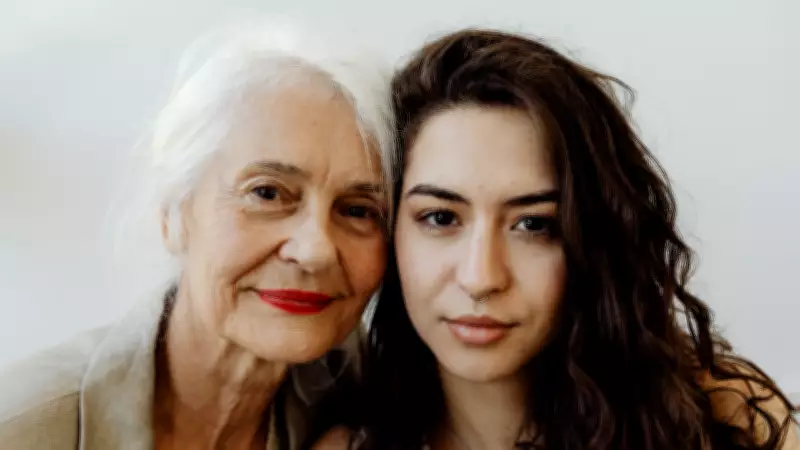
For decades, ageing was considered a slow and predictable process, marked by gradual changes like wrinkles and reduced energy. However, emerging science suggests otherwise. Recent research indicates that ageing does not follow a linear path; instead, the body undergoes specific periods of accelerated biological change. This may explain why some people suddenly notice slower recovery, weight gain, or new health issues.
The Surprising Age When Ageing Speeds Up
A study by scientists at the Chinese Academy of Sciences, published in the journal Cell, analyzed over 12,700 proteins across 13 human tissues and blood samples from individuals aged 14 to 68. The researchers found that biological ageing reaches a critical turning point around age 50, after which organs and tissues decline more steeply. Blood vessels were among the earliest and most vulnerable structures affected. Dozens of proteins linked to cardiovascular disease and fatty liver disease increased with age.
Dr. Athul Vyas V, Specialist in Geriatrics and Healthy Living at KIMSHEALTH Thiruvananthapuram, explained, "Most of us picture ageing as a slow, steady decline. Biology tells a different story. New research pinpoints a specific age when the process speeds up sharply, and the number is younger than you might expect." He added, "The result? Ageing showed an inflection point around age 50. Blood vessels aged early and proved markedly susceptible. After 50, tissues and organs follow a steeper decline than in any of the preceding decades."

Why Scientists Are Talking About Ages 44 and 60
Another landmark study from Stanford Medicine, published in Nature Aging, found that ageing may occur in two major biological surges, around ages 44 and 60. Researchers tracked over 135,000 molecules and microbes in adults aged 25 to 75 and discovered dramatic changes in biological systems during these periods, rather than gradual shifts over time.
Dr. Lijo George, Consultant in Internal Medicine at Apollo Adlux Hospital, Angamaly, said, "Aging is a natural phenomenon; however, according to the latest research, it does not proceed at an even rate across all stages of one's life cycle." The first wave of accelerated ageing appears in the mid-40s, with notable shifts in molecules related to alcohol and caffeine metabolism, heart health, skin and muscle function, and fat processing. The second major shift occurs around age 60, with changes in the immune system, kidney function, carbohydrate metabolism, and heart functions becoming more noticeable.
What Is Actually Happening Inside the Body?
Many people assume ageing is simply about getting older, but it is driven by countless biological processes inside cells, blood vessels, muscles, organs, and the immune system. Dr. Shankar V, Senior Consultant Internal Medicine at Apollo Hospitals Seshadripuram, Bengaluru, explained, "If you feel like your health took a sudden downturn almost overnight in your mid-forties, you are not imagining it. Science now proves that the human body does not age in a slow, gradual line. Instead, we hit two massive biological cliffs—first at age 44, and then again at age 60."
According to him, the mid-40s mark a particularly important period. "The first major spike hits around age 44, and it is a wake-up call for preventive medicine. At this exact age, the body suddenly loses its efficiency in metabolizing lipids, fats, and alcohol." This means that habits that once seemed harmless may begin producing different results, such as easier weight gain, longer recovery after exercise, and rising cholesterol levels despite no major dietary changes.
Why Your 40s May Matter More Than Your 70s
One of the most important messages from ageing research is that diseases seen later in life often begin developing decades earlier. Dr. Athul Vyas noted, "The damage that surfaces at 70 often takes root at 45. What you do in the decade before that turning point counts." Similarly, Dr. Shankar warned, "Waiting until retirement to get serious about health screenings is a dangerous medical mistake. The real battleground for longevity begins at age 44." Many age-related conditions such as high blood pressure, fatty liver disease, type 2 diabetes, and heart disease can remain silent for years before symptoms appear.

Can Faster Ageing Be Slowed Down?
No lifestyle can stop ageing completely, but research shows that healthy habits can influence how well the body functions during the ageing process. Dr. Lijo George said, "Exercise, a healthy diet, quality sleep, stress reduction, and health checkups may assist in staying healthy and functioning well over the years." Experts recommend focusing on several overlooked but powerful habits:
- Preserving muscle through strength training, especially after age 40.
- Monitoring blood pressure even when feeling healthy.
- Paying attention to sleep quality, not just sleep duration.
- Limiting excess alcohol intake as metabolism changes with age.
- Getting regular screenings for cholesterol, blood sugar, liver health, and kidney function.
- Staying socially connected, which has been linked to healthier ageing and better mental wellbeing.
Perhaps the most encouraging takeaway is that ageing is not a sudden event. Even if biological changes accelerate at certain ages, the choices made years before those milestones still matter. As Dr. Lijo George puts it, "Recognizing at what age one's body begins to undergo biological transformations would aid people in taking preventative actions."
Medical experts consulted: Dr. Athul Vyas V, Specialist, Geriatrics and Healthy Living, KIMSHEALTH Thiruvananthapuram; Dr. Lijo George, Consultant, Internal Medicine, Apollo Adlux Hospital, Angamaly; Dr. Shankar V, Senior Consultant Internal Medicine at Apollo Hospitals Seshadripuram Bangalore. Inputs from medical experts and recent scientific studies were used to explain the ages at which biological ageing appears to accelerate, why these changes occur, and the lifestyle measures that may help support healthier ageing.
About the Author: Aadya Jha is a passionate writer and storyteller who crafts stories that enthrall readers. She explores the basic things with a passion for Lifestyle, illuminating the common.





