The Anatomy of Panic: Why 'Calm Down' Fuels Outrage and Hoarding
In the history of human civilization, no one has ever calmed down when told to do so. We all recognize this truth, whether from asking someone to calm down and witnessing the opposite reaction, or from being on the receiving end, where such a request only amplifies our rage. This phenomenon isn't mere chaos; it's a structured response deeply embedded in our biology and psychology, designed for survival but often misfiring in modern contexts.
The Evolutionary Roots of Panic
Panic is a primal force, an evolutionary relic that surges through our veins when threats loom large. A study titled 'Exploring the Evolutionary Origins of Panic' from the biomedical and life sciences journal at the US National Institutes of Health (NIH/NLM) explains that this overwhelming fear is not a modern affliction but a deeply rooted adaptation. It stems from the same mechanisms that once protected our ancestors from predators like saber-toothed tigers and rival tribes. In essence, panic is an intensified fear response, mobilizing resources for survival through the fight-or-flight mechanism in mammals.
When a threat is perceived—real or imagined—the amygdala, an almond-shaped brain structure, acts as an alarm center, releasing stress hormones such as adrenaline and cortisol. This physiological cascade primes the body for action, with heart rates spiking, muscles tensing, and non-essential functions like digestion shutting down to redirect energy. For early humans in the Pleistocene era, this hyper-responsive fear system was crucial for evading dangers and ensuring survival.

Psychological Triggers and Modern Manifestations
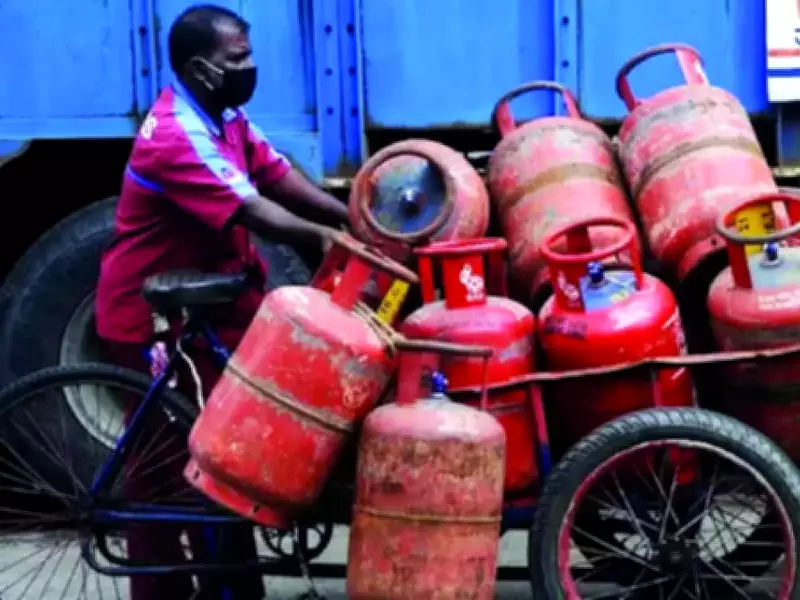
Psychologically, humans are wired to imagine the worst, a trait honed in ancestral environments where scarcity meant death. In modern times, this manifests as panic buying during crises. For instance, amid the Iran conflict, fears of fuel shortages in India sparked hoarding, long queues at gas stations for LPG, and a rush on induction stoves, even though supplies remained stable in many areas. Government advisories meant to reassure instead amplified the frenzy, turning whispers of scarcity into roars of alarm.
Research identifies key drivers of such behavior: perception of threat and scarcity, fear of unknowns triggering emotional pressure, coping behaviors to regain control, and social influences from networks. People stockpile not out of greed but to alleviate anxiety, viewing hoarding as a way to assert agency in chaos. A 2023 study on COVID-19 behaviors found that panic buying stems from instinctive reactions to perceived threats, with intolerance of uncertainty playing a significant role. Those with high levels of uncertainty are more prone to impulsive purchases, as stockpiling reduces distress.
Social Dynamics and Contagion
Socially, panic spreads like contagion through herd behavior. Information cascades occur when individuals mimic others, assuming crowds possess hidden knowledge. In crises, social media accelerates this process; a 2020 study linked viral negative posts to mass anxiety during toilet paper shortages. Historical examples include Y2K fears prompting tech hoarding and COVID-19 leading to global runs on essentials, lasting 7-10 days post-announcements.
In India, restaurant closures due to regulated gas echoed this pattern, as precautionary measures signaled a broader crisis, prompting overreactions. Research reframes "panic buying" as "crisis stockpiling," driven by optimism and anger as much as fear, not blind hysteria. Demographics also matter: studies from the UK and Ireland show that women, higher-income families with children, and those experiencing income loss are more susceptible to such behaviors.
Why Calls for Calm Backfire
Yet, why do pleas to "maintain calm" often backfire, fueling outrage? This paradox roots in psychological reactance: when perceived freedoms—such as the right to worry or act—are threatened, people rebel to restore autonomy. Advisories against hoarding are seen as restrictions, prompting defiance. The Streisand Effect further complicates matters; attempts to suppress information or emotions amplify them. Named after Barbra Streisand's failed bid to hide a photo of her home, this effect shows how censorship draws scrutiny.

In crises, reassuring messages can be interpreted as cover-ups, heightening suspicion. A 2023 analysis notes that trying to relax amid anxiety reinforces the need to control it, prolonging distress. During India's fuel scare, anti-hoarding measures were perceived as admissions of vulnerability, sparking the opposite effect. Research on crisis communication warns that downplaying threats invites reactance, especially if trust is low. Instead, transparent acknowledgment of risks builds credibility and mitigates backlash.
Physiological and Epigenetic Factors
Physiologically, panic manifests as a full-system stress response, with cortisol surges and heart rate spikes shifting the body into conservation mode. Research also points to epigenetic influences; regions with histories of famine show higher obesity rates due to a "thrifty gene" hypothesis, where bodies are wired to store fat for future shortages. This extends to behavior during scarcity threats, with people prioritizing immediate needs like food and fuel over health or luxuries.
For example, during Shanghai's COVID-19 lockdown, perceived scarcity boosted stress and risk aversion, leading participants to favor groceries over health items. This bodily wiring explains why panic feels visceral—it's not just a mental state but a conservation mechanism for perceived famines ahead.
The Evolutionary Mismatch Hypothesis
The evolutionary mismatch hypothesis posits that traits adaptive in ancestral environments, such as the Pleistocene era, can become maladaptive in modern times due to rapid environmental changes from agriculture, industrialization, and technology. This mismatch arises because biological evolution is slow compared to cultural shifts, leading to outdated adaptations clashing with current realities. Panic, as a survival toolkit, is often maladapted to today's abundance, causing overreactions in situations like fuel scares or pandemics.
Moving Forward: From Panic to Preparedness
In essence, the anatomy of panic reveals a complex interplay of psychological fear lenses distorting reality, physiological ancient defenses kicking in, and social echo chambers amplifying noise. To counter it, leaders should emphasize facts over suppression, fostering a sense of control through clear information. As crises multiply—from wars to climate change—understanding this anatomy equips us to respond thoughtfully rather than react impulsively, turning panic into preparedness for a more resilient future.