

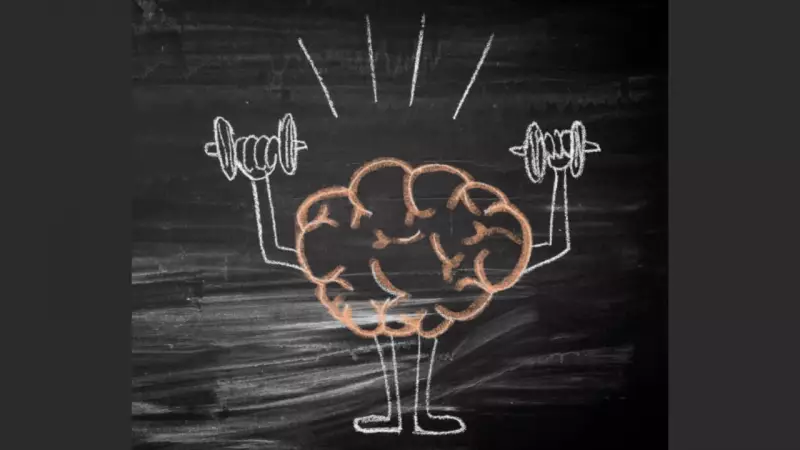
You walk into a room and completely forget why you entered. You read the same sentence three times, but your mind refuses to absorb the words. You meet someone familiar, yet their name escapes you in that crucial moment. Most people laugh these incidents off. They blame stress, poor sleep, or simply being too busy. But when these moments become frequent, they might represent more than just a bad day. Your brain could be waving a red flag.
Why Early Brain Health Matters More Than You Think
Brain health does not suddenly become important at sixty or seventy. Changes within this vital organ can begin much earlier than most people realize. The real problem lies in how easily we dismiss the small symptoms. Forgetting a name feels harmless. Losing focus seems normal in our distraction-filled world. We joke about these "senior moments" even in our thirties and forties.
However, these tiny issues can accumulate. More critically, they may serve as early warning signs for deeper cognitive challenges. These challenges are far easier to manage when identified and addressed early. What we lack is widespread awareness. Society talks endlessly about heart health, weight management, and blood sugar levels. Brain health rarely receives the same spotlight.

Memory lapses and focus problems are often brushed aside or turned into humorous anecdotes. We need to normalize serious conversations about cognitive health at every stage of life, not just in our later years.
A Neurologist's Perspective on Modern Focus Issues
"In my clinical practice, one of the most frequent complaints I hear is about losing focus and forgetting things," says Dr. Amit Kumar Agarwal, Senior Consultant in Neurology and Stroke Medicine at Amrita Hospital, Faridabad. "Patients commonly blame aging, stress, or excessive screen time. While lifestyle factors play a role, the brain responds remarkably well to structured training."
Dr. Agarwal emphasizes that proactive brain care is essential. He shares five straightforward brain exercises proven to enhance focus, memory, and mental clarity when practiced consistently.
Five Simple Brain Exercises to Try Today
You do not need complex tools or hours of free time. These exercises integrate easily into a daily routine.
1. Mindful Attention Training
This powerful exercise remains under-discussed. Simply sit still for ten minutes and focus entirely on your breathing. When your mind inevitably wanders, gently guide it back to your breath. This activity works out the prefrontal cortex, the brain region governing attention and decision-making. With regular practice, patients report significant improvements in focus, mental clarity, and emotional regulation.
2. The Memory Chunking Method
Stop trying to memorize long, overwhelming lists. Instead, break information into smaller, meaningful chunks. For example, view a ten-digit phone number as three distinct segments. This technique boosts your working memory capacity. It makes it easier for your brain to store and retrieve information efficiently. Students and professionals find this method particularly beneficial.
3. Dual-Task Training
Challenge your brain by performing two simple tasks simultaneously. Try counting backward while taking a walk. Or listen to an educational podcast while folding laundry. This exercise tests the brain's executive function and neural coordination. It enhances your ability to multitask effectively and increases mental flexibility. Neurologically, it improves communication between different brain regions.
4. Visual Recall Exercise
Spend thirty seconds observing a detailed scene. This could be a complex painting, a cluttered room, or a busy newspaper page. Then, close your eyes and try to recall as many specific details as possible. Remember colors, object placements, words, or faces. This practice strengthens visual memory and sharpens attention to detail. These skills often decline early but show rapid improvement with consistent training.

5. The Novelty Challenge
Nothing stimulates the brain like learning something completely new. Your brain must forge fresh neural pathways when you pick up a new language, learn a musical instrument, or even take a different route to work. This process, called neuroplasticity, helps maintain robust memory function. It actively slows cognitive decline by keeping the brain adaptable and engaged.
Consistency is Key to Cognitive Fitness
Dr. Amit Kumar Agarwal offers a final, crucial piece of advice. "The goal is consistency, not complexity," he states. "Dedicate just fifteen to twenty minutes daily to these brain training exercises. You will likely observe substantial improvements in your focus, memory retention, and overall mental stamina."
In today's world of constant notifications and digital distractions, proactive brain training is no longer a luxury. It has become a necessary form of preventive healthcare for minds of all ages. Start paying attention to those small lapses. Then, take simple, consistent steps to keep your cognitive health in peak condition.





