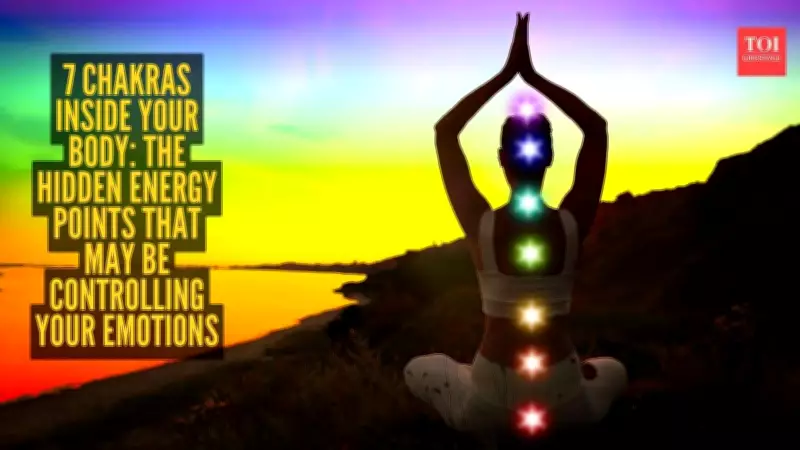
In today's world, most of us rely on smartwatches, fitness apps, and constant health updates to understand what is going on with our bodies. But when it comes to emotions and mental balance, many people still find themselves looking back at older ideas for answers. One of those ideas is chakras.
What Are Chakras?
Chakras come from ancient Hindu and yogic traditions. The word comes from Sanskrit and simply means "wheel." The concept is straightforward on the surface – it suggests there are energy points in the body that are connected to how we feel, think, and respond to life. Modern science does not recognize them as physical structures, but the idea still appears everywhere, from yoga and meditation practices to everyday wellness conversations.
The Seven Main Chakras
Most people today talk about seven main chakras, and each one is believed to relate to a different part of human emotion and experience.

Root Chakra (Muladhara)
The root chakra is essentially about feeling stable in life. It sits at the base of the spine and is linked with safety, survival, and security. According to traditional beliefs, this is the "foundation" chakra. When people talk about feeling grounded or unsteady in life, they usually connect it back here. Even simple things like financial stress, lack of routine, or feeling unsafe are said to affect it. People often suggest grounding activities like walking barefoot, spending time in nature, or simply slowing down a bit.
Sacral Chakra (Svadhisthana)
The sacral chakra is about emotions and creativity. It is located just below the navel. It is often connected with how freely someone expresses themselves, how they deal with emotions, and even how they enjoy life. Creativity, relationships, and emotional openness are all linked here. Anything like art, music, dance, or even just letting yourself feel things properly is usually associated with balancing it.
Solar Plexus Chakra (Manipura)
The solar plexus chakra sits around the upper stomach area and is usually tied to confidence. People often describe it as the "power" center. It is linked with self-esteem, decision-making, and that inner feeling of "I can do this." When someone feels stuck or low on confidence, this is the chakra that gets mentioned in spiritual talk.
Heart Chakra (Anahata)
This is the one people talk about the most. It sits in the center of the chest and is connected with love, care, and emotional connection. Not just romantic love, but also how you treat yourself and others. Forgiveness, empathy, kindness – all of that is usually placed here.
Throat Chakra (Vishuddha)
As the name suggests, this is all about communication. It is linked with speaking honestly, expressing yourself, and also actually listening. People often say that when this chakra is "blocked," it feels harder to say what you really mean. Things like journaling, talking openly, or even singing are often connected with it.
Third Eye Chakra (Ajna)
The third eye chakra is a bit more abstract. It sits between the eyebrows and is linked with intuition. People often describe it as that "gut feeling" or inner voice. It is connected with clarity, awareness, and seeing situations more clearly rather than getting lost in confusion. Meditation is usually associated with it.
Crown Chakra (Sahasrara)
This one sits right at the top of the head. It is usually described as a feeling of connection – sometimes with yourself, sometimes with the world around you, or even something bigger than all of it. People often link it with calmness, awareness, and just seeing life from a wider perspective.
These chakras offer a framework for understanding emotional and mental well-being, blending ancient wisdom with modern wellness practices.