Chandigarh Launches Comprehensive Mental Health Initiative for Students
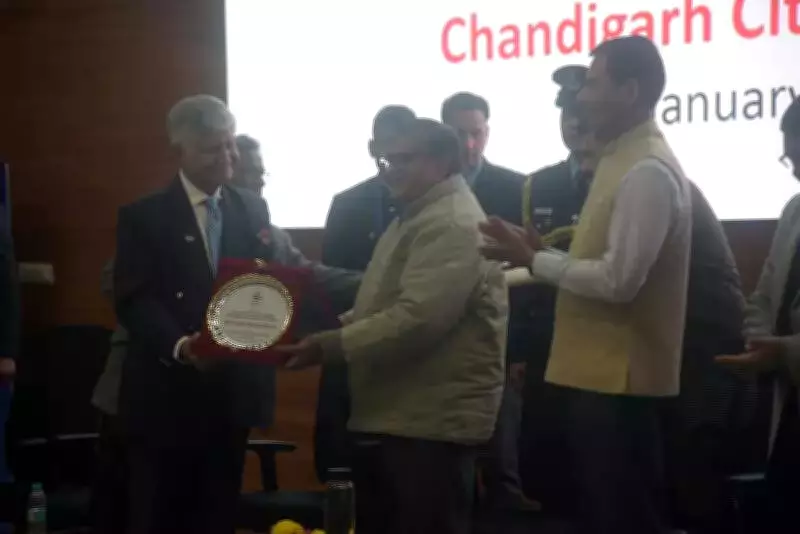
In response to alarming mental health statistics that have placed Chandigarh in the spotlight, Punjab Governor and UT Administrator Gulab Chand Kataria officially inaugurated Project SAATHI on Wednesday. This pioneering mental health and holistic wellness program is specifically designed for school students and represents a collaborative effort between the UT Department of School Education and the Chandigarh Citizens Foundation (CCF).
Addressing a Critical Public Health Crisis
The launch of this initiative comes against a backdrop of deeply concerning data. Chandigarh's suicide rate has been reported to be more than double the national average, creating an urgent need for intervention. The situation has been further exacerbated by the tragic deaths of eight students by suicide in 2024 and 2025 alone, highlighting the pressing emotional and psychological challenges facing the youth in the region.
During the inauguration ceremony, Governor Kataria addressed the gathering and praised the foundation's dedicated efforts, which are being led by its president, former Army Chief General VP Malik (retd). He described Project SAATHI as a timely and innovative step to combat the growing mental health issues among students. Kataria expressed optimism that Chandigarh could potentially emerge as a model city for the entire country by successfully implementing such preventive and forward-thinking wellness programs.

Structure and Implementation of Project SAATHI
The program will initially be piloted in seven government schools, with a focused approach on students in Classes 7, 8, 9, and 11. Project SAATHI is built on a multi-faceted framework that includes:
- Capacity-building for educators: Comprehensive training and sensitization workshops for principals, teachers, and counselors.
- Student-centric activities: A variety of interventions such as yoga, meditation, creative therapies, community group engagement, and life skills education aimed at reducing stress and promoting overall mental well-being.
General VP Malik (retd) provided insights into the foundation's role, noting that more than 225 professionals associated with CCF are actively working through subject-specific focus groups. Their mission is to design and implement impactful social projects while also providing valuable policy inputs to the government.
Research-Based Approach and Identified Causes
Additional Chief Secretary J M Balamurugan briefed attendees on the project's detailed structure and objectives. The initiative has identified 13 major causes contributing to mental health issues among students, including:
- Abuse
- Bullying
- Parental separation
- Exam and career anxiety
Project SAATHI has been developed with expert inputs from renowned institutions such as the National Institute of Mental Health and Neuro-Sciences (NIMHANS), Postgraduate Institute of Medical Education and Research (PGIMER), and Government Medical College and Hospital (GMCH).
Future Expansion and Immediate Actions
The six-month pilot program will be implemented by a multidisciplinary team comprising mental health professionals, educators, yoga experts, and counselors. Based on the outcomes and effectiveness of this initial phase, there are plans to potentially expand the program to other schools and colleges across the region.
The inauguration was attended by senior officials of the Chandigarh administration, including Chief Secretary H Rajesh Prasad and Education Secretary Prerna Puri. Following the main event, a sensitization workshop was conducted for 108 government school principals, marking the first step in rolling out this crucial mental health initiative.