

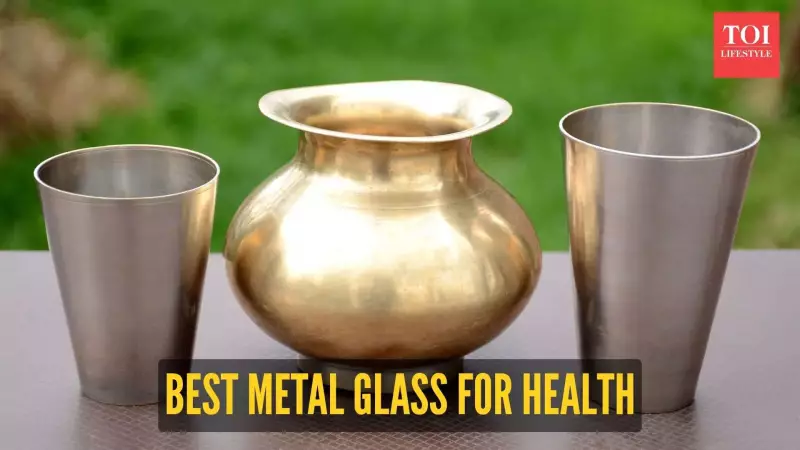
Ancient Wisdom Meets Modern Science: The Truth About Metal Water Glasses
For generations, Indian households have embraced the tradition of using metal vessels for storing and drinking water. Today, this practice has gained renewed popularity, with celebrities like Kangana Ranaut and Tanya Mittal often seen using metal glasses. According to Ayurvedic principles, metals don't merely contain water - they actively energize and enhance it. Modern scientific research now provides partial validation for these ancient beliefs, demonstrating that certain metals can alter water's pH balance, infuse trace minerals, and even suppress microbial growth.
Health Benefits and Risks of Different Metal Glasses
The Copper Water Glass: Nature's Purifier
Copper vessels have been celebrated for centuries for their remarkable purifying properties. When water remains in a copper glass for several hours, trace copper ions gradually dissolve into the water through a process scientifically known as the oligodynamic effect, as documented in a Biomedicine journal study. This natural phenomenon effectively eliminates harmful bacteria without chemical intervention.
Regular consumption of copper-charged water can significantly improve digestive function, help balance thyroid activity, and support liver detoxification. Some research even indicates that copper may help regulate melanin production, potentially improving skin complexion and delaying premature hair greying.

However, moderation remains crucial when using copper vessels. The National Institutes of Health warns that excessive copper exposure can lead to nausea and fatigue. Health experts generally recommend using copper glasses only once or twice daily, preferably during early morning hours, to maximize benefits while minimizing risks.
The Silver Water Glass: Cooling Antimicrobial Elixir
Silver has been traditionally valued for its cooling properties and powerful antimicrobial characteristics, often used historically to store both water and medicinal preparations. Research from the NIH confirms that silver ions can effectively inhibit bacterial proliferation while strengthening immune function.
Water stored in silver glasses acquires a subtly refreshing coolness, making it particularly appealing in hot climates. This metal also helps regulate body temperature and may contribute to reducing inflammation. Many traditional Indian families specifically used silver vessels for infants and convalescent individuals, believing they provided protection against infections.
While silver represents a more expensive option compared to other metals, it serves as an excellent occasional choice for enhancing overall wellness and immunity.
The Brass Water Glass: Balanced Mineral Infusion
Brass, being an alloy combining copper and zinc, offers complementary benefits from both constituent metals. Zinc plays a vital role in cellular repair, metabolic enhancement, and promoting healthy hair and skin. Together, copper and zinc in brass vessels impart a modest yet beneficial mineral supplement to drinking water, as evidenced by healthcare-focused studies on brass usage.
Brass glasses prove especially advantageous for individuals experiencing sluggish metabolism or lackluster skin. Proper maintenance is essential with brassware - acidic beverages like lemon water should never be stored in brass containers, as the acid can trigger undesirable chemical reactions with the metal.
Alternative Options and Practical Recommendations
Clay and Stainless Steel Alternatives
Though not metallic, clay glasses deserve honorable mention for their unique advantages. They naturally cool water without requiring electricity while maintaining a slightly alkaline pH that can help counter bodily acidity. Clay also enriches water with essential minerals like magnesium and calcium, and provides that distinctive earthy aroma that modern materials cannot replicate. The primary limitation lies in their fragility and need for frequent replacement.

Stainless steel may lack traditional appeal but excels in practical terms. Being exceptionally durable, rust-resistant, and completely non-reactive, it safely accommodates all beverage types. Unlike copper or brass, stainless steel doesn't modify water's inherent properties, making it ideal for continuous daily use. Its minimal maintenance requirements explain why stainless steel has become the default choice in contemporary kitchens.
Making the Right Choice for Your Health
For routine everyday hydration, stainless steel represents the safest and most practical option. For periodic wellness practices, properly cleaned copper or brass glasses can provide valuable health supplementation. When seeking refreshing summer hydration, silver or clay vessels make excellent seasonal companions that combine tradition with tangible benefits.
Important Disclaimer: This information serves educational purposes only. Metal glasses can complement a healthy lifestyle but cannot replace medical treatment. Always consult qualified healthcare professionals before implementing significant changes to your health regimen.





