

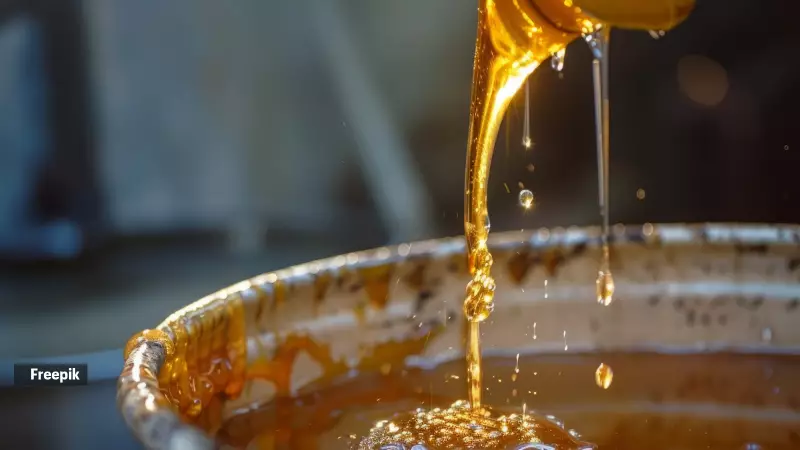
Dietitian Explains the Safety of Mixing Cooking Oils
Indian kitchens have always celebrated a rich variety of cooking oils. From the robust flavour of mustard oil to the light neutrality of sunflower oil, each brings its own character to our meals. As awareness about heart health grows, many home cooks have started experimenting by blending different oils together. They hope to create a healthier balance in their daily cooking.
But is this practice actually safe? We spoke with Dt. Amreen Sheikh, Chief Dietitian at KIMS Hospitals in Thane, to get clear, expert guidance on this common kitchen question.
Understanding Oil Blending: The Expert's View
Dt. Sheikh explains that blending cooking oils can be perfectly safe when done with care. "Sunflower oil is light and neutral," she says. "Mustard oil brings its distinct flavour and beneficial natural compounds. Using them together is acceptable, provided you do not overheat the oils or reuse them multiple times."

She highlights a crucial warning. Repeated heating of any oil can lead to oxidative damage. This process creates harmful compounds that are not good for our bodies. The risk becomes even greater when you mix oils that have very different tolerances to heat.
"Different oils have different fatty acid profiles," Dt. Sheikh notes. "Some are rich in omega-6 fatty acids. Others offer omega-3 or monounsaturated fats. When used correctly, mixing oils or rotating between them does not reduce their benefits. In fact, it can help you achieve a more balanced fat intake."
Oil Combinations to Approach with Caution
Not every oil mix is suitable for every cooking method. Dt. Sheikh advises caution with certain combinations.
"You should avoid blending oils that have extremely different smoke points for high-heat cooking," she cautions. "Also, mixing refined and unrefined oils for deep frying can cause the oils to break down much faster."
When blended oils are overheated or reheated, they may form compounds that can irritate the digestive system. These compounds are not ideal for long-term heart health either. This concern is especially relevant for oils used in deep frying, where temperatures remain consistently very high.
Blending Oils Versus Rotating Oils: Which is Better?
Many people wonder whether they should blend oils together or simply switch between different oils periodically. Dt. Sheikh provides clarity on this common confusion.
"Blended oils offer convenience," she states. "But rotating oils through the week works just as well. The primary goal is to give your body a wider variety of fats and nutrients."
Instead of relying on a single oil all year round, combining or rotating oils can support better heart and metabolic health. This approach introduces diversity into your diet naturally.
A Practical Guide to Using Different Oils
Dt. Sheikh offers a simple, practical plan for incorporating variety into your cooking routine.
- Use mustard oil for sautéing vegetables or preparing pickles.
- Choose sunflower or rice bran oil for your everyday cooking needs.
- Opt for groundnut oil when frying foods, but remember to use it in moderation.
- Select olive oil for salads or low-heat dishes where its flavour can shine.
"This way," the dietitian advises, "you naturally consume a broader spectrum of nutrients without becoming overly dependent on any single type of oil."
Disclaimer: This article is based on information from the public domain and expert consultations. Always consult your healthcare practitioner before making significant changes to your diet or health routine.






