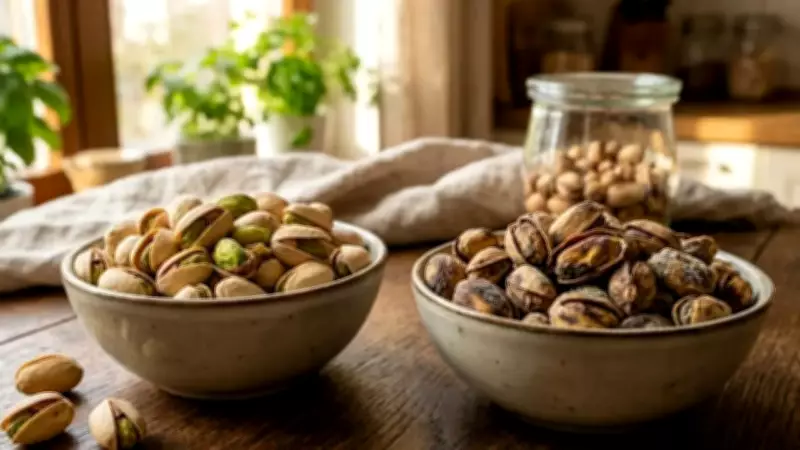
Understanding Pistachio Freshness
Pistachios are a nutritional powerhouse, but their high unsaturated fat content makes them exceptionally vulnerable to oxidation and rancidity. While pistachios do not expire like dairy products, they are highly susceptible to lipid oxidation. Their quality decreases based on how you store them and how much moisture they are exposed to.
Biochemical Changes in Spoiled Pistachios
It is crucial to identify the biochemical markers of spoilage, such as the breakdown of fatty acids into smelly compounds, for both taste and health reasons. Eating nuts that have gone rancid can upset your stomach and expose you to harmful free radicals. By mastering proper preservation techniques, you can keep your pistachios fresh for over two years instead of just a few months. This ensures every bite stays crisp, green, and full of nutrients.
Pistachio Shelf Life Explained
The shelf life of pistachios largely depends on their surroundings. Because these nuts contain a high amount of monounsaturated and polyunsaturated fats, they can break down when exposed to heat and air. Studies show that keeping them in a cool, dry place at room temperature (about 20 degrees Celsius or 68 degrees Fahrenheit) helps them stay fresh for up to six months for in-shell pistachios and three months for shelled ones, as noted in a study published by the University of California. However, you can significantly alter this timeline by changing the storage temperature:

- Refrigeration: Storing pistachios in the refrigerator can extend their freshness up to one year.
- Freezing: For long-term preservation, the freezer is the most effective tool, keeping the nuts safe and flavorful for up to two years.
Signs Your Pistachios Are Spoiled
As noted in a study by Oregon State University, when pistachios spoil, they undergo oxidative rancidity. This is not just about losing flavor; it is a chemical shift where the oils break down into aldehydes and ketones. These changes create a distinct smell and taste that are easy to spot if you know what to look for.
Smell Clues
A bad pistachio will not have that sweet, nutty scent anymore. Instead, you will notice a sharp, unpleasant smell that some people liken to paint thinner, nail polish remover, or old plastic.
Taste Differences
If you bite into a rancid nut by accident, expect a bitter or sour taste that lingers in your mouth, quite the opposite of the mild and buttery flavor of a fresh one.
Visual Signs
Check for signs like shriveling. While pistachios naturally have some wrinkles, those gone bad often appear overly dry, darkened, or might even look dusty, which could suggest mold or pest activity inside.
Best Practices for Maximizing Shelf Life
To keep your pistachios fresh as long as possible, shield them from the three main threats: oxygen, light, and heat.
Use Airtight Seals
First, transfer kernels to airtight glass or vacuum-sealed containers. Move them from the opened bag into a glass jar or vacuum-sealed bag to reduce oxygen exposure for the fats to interact with.
Keep the Shells On
Studies show that in-shell pistachios stay fresh longer because the shell acts as a natural barrier against oxygen reaching the nut inside.
Minimize Temperature Fluctuations
Avoid frequent temperature changes since they might cause condensation inside the container, leading to sogginess or mold. Choose a storage place like the pantry or fridge and stick with it.