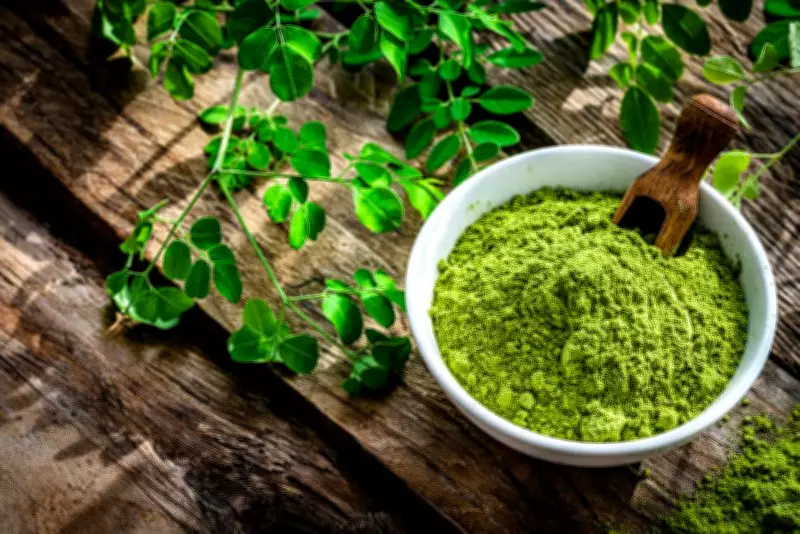
Moringa: The Indian 'Matcha' That Could Be Your Perfect Cup of Tea
In the bustling world of wellness trends, a new contender is emerging from India's rich botanical heritage: Moringa, often dubbed as the "Indian Matcha." This humble plant, native to the subcontinent, is rapidly gaining global attention for its potential health benefits, positioning itself as a powerful alternative to traditional teas and superfoods.
What Is Moringa and Why Is It Called Indian Matcha?
Moringa, scientifically known as Moringa oleifera, is a fast-growing tree commonly found in tropical and subtropical regions of India. Its leaves, seeds, and pods have been used for centuries in Ayurvedic medicine for their nutritional and medicinal properties. The comparison to Matcha, the finely ground green tea powder from Japan, stems from Moringa's similar preparation as a powdered form that can be whisked into hot water to make a vibrant green tea. However, unlike Matcha, which contains caffeine, Moringa is naturally caffeine-free, making it an appealing option for those seeking a calming, energy-boosting drink without the jitters.
Health Benefits That Make Moringa Stand Out
Research and traditional use highlight several potential health advantages of incorporating Moringa into your daily routine:

- Rich in Nutrients: Moringa leaves are packed with vitamins, minerals, and antioxidants. They contain high levels of vitamin C, vitamin A, calcium, potassium, and iron, which can help support overall health and fill nutritional gaps in modern diets.
- Boosts Immunity: The antioxidants in Moringa, such as quercetin and chlorogenic acid, may help strengthen the immune system by combating oxidative stress and reducing inflammation, potentially lowering the risk of chronic diseases.
- Anti-Inflammatory Properties: Studies suggest that Moringa has anti-inflammatory effects, which could aid in managing conditions like arthritis and improving joint health. This makes it a popular choice among those looking for natural remedies to support mobility and reduce pain.
- Supports Digestive Health: Moringa is known to have mild laxative properties and can promote healthy digestion. Its high fiber content helps regulate bowel movements and may alleviate issues like constipation, contributing to better gut health.
- Potential Blood Sugar Regulation: Preliminary research indicates that Moringa might help stabilize blood sugar levels, which could be beneficial for individuals with diabetes or those at risk. However, more extensive studies are needed to confirm these effects in humans.
How to Incorporate Moringa into Your Diet
Moringa is versatile and can be enjoyed in various forms beyond just tea. Here are some easy ways to add it to your meals:
- As a Tea: The most common method is to brew Moringa powder in hot water, similar to Matcha. You can add honey, lemon, or spices like ginger for enhanced flavor. Start with a teaspoon per cup and adjust to taste.
- In Smoothies: Blend a spoonful of Moringa powder into your morning smoothie for an extra nutrient boost. It pairs well with fruits like bananas, berries, and spinach, creating a delicious and healthful drink.
- In Soups and Stews: Sprinkle Moringa powder into soups, stews, or curries during cooking. It adds a subtle earthy flavor and enriches the dish with vitamins and minerals without overpowering other ingredients.
- As a Seasoning: Use dried Moringa leaves as a garnish for salads, roasted vegetables, or grain bowls. They provide a crunchy texture and a mild, slightly bitter taste that complements many dishes.
Precautions and Considerations
While Moringa is generally considered safe for most people, it's important to exercise caution:

- Consult a Healthcare Professional: If you have underlying health conditions, are pregnant, or are taking medications, especially for blood pressure or diabetes, consult a doctor before adding Moringa to your diet, as it may interact with certain drugs.
- Start Slowly: Begin with small amounts to see how your body reacts, as some individuals might experience digestive discomfort or allergies. Gradually increase the dosage based on tolerance.
- Quality Matters: Choose organic, high-quality Moringa products from reputable sources to avoid contaminants and ensure you're getting the full benefits. Look for certifications that guarantee purity and sustainability.
As the wellness community continues to explore natural remedies, Moringa stands out as a promising superfood with deep roots in Indian tradition. Whether you're sipping it as a tea or mixing it into meals, this "Indian Matcha" might just become your new favorite cup of wellness.